
Himachal Pradesh

A Spiritual Adventure Into the Himalayas

with Ransom Hare

October 3—17, 2026

Register Online

or call 1-800-822-4547 x5

Register Online

Overview

Embark on an unforgettable 15-day journey through the dramatic landscapes, timeless cultures, and awakened shrines of Himachal Pradesh—a nexus of profound spiritual roots. This is more than a trip through the mountains; it’s a purpose-driven experience shaped by the enduring connection between people, land, and spirit.

As we wind our way through forested foothills, glacier-fed rivers, and the stark, high-altitude desert of the Trans-Himalayas, we’ll encounter a landscape that has long supported deep spiritual practice. Cliffside monasteries overlook sweeping valleys, Shakti shrines radiate with centuries of devotion, and village temples continue to anchor daily life in ritual and reverence.

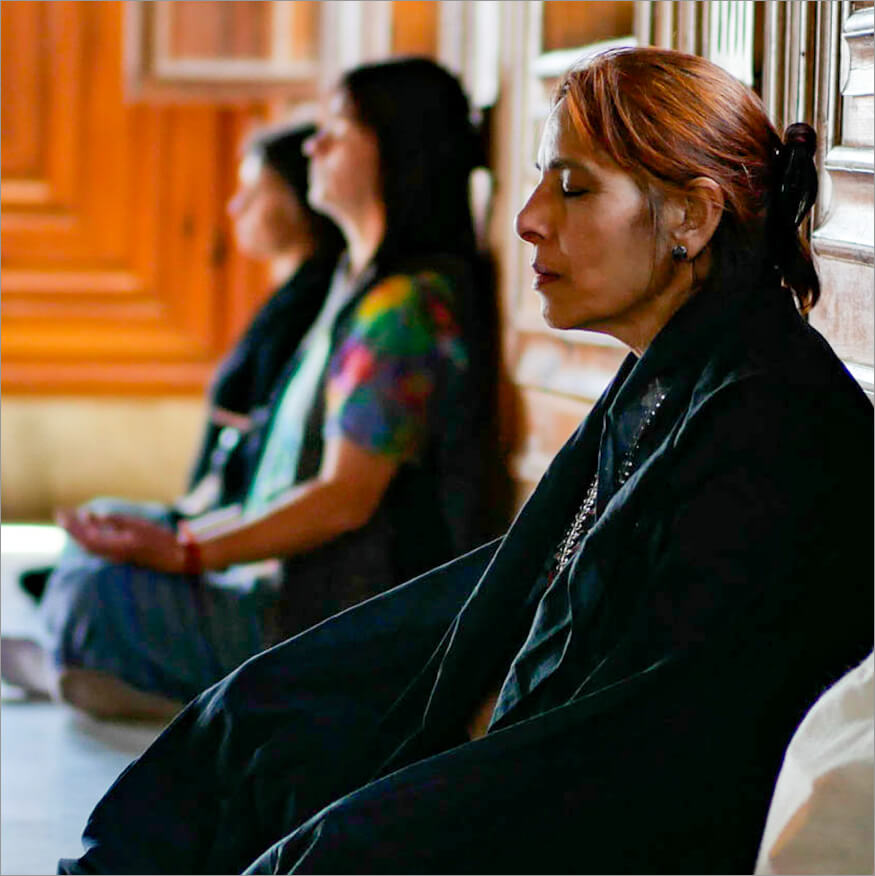
This journey blends active exploration with moments of stillness. Long drives across mountain passes, short hikes to beautiful destinations, and visits to remote villages are balanced with quiet time in sacred spaces—where chants echo through ancient halls and wind carries the fragrance of incense. The rhythm of the trip offers both movement and meaning—an invitation to step fully into remote, awe-inspiring places that feel both grounded and transcendent.

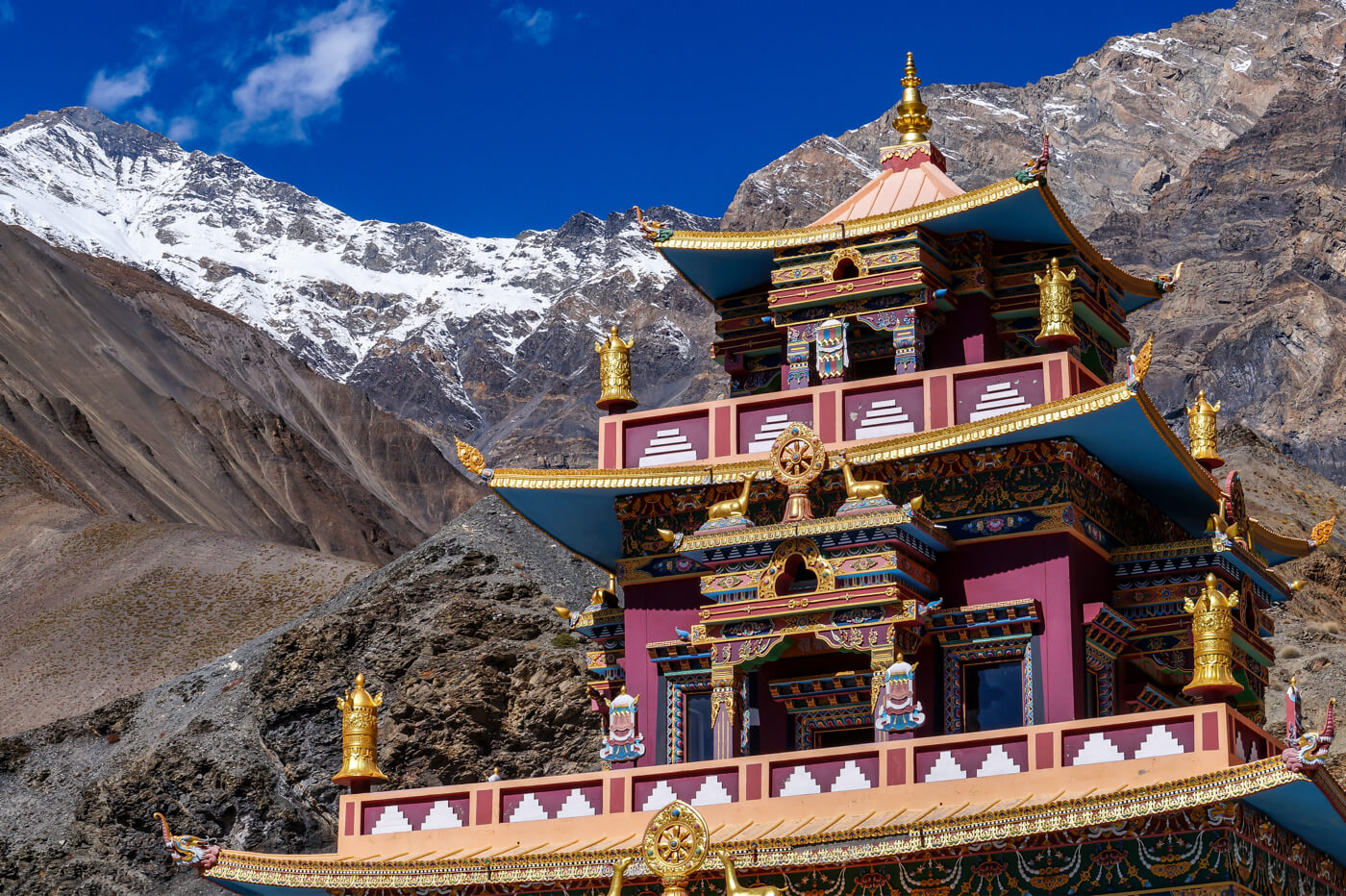
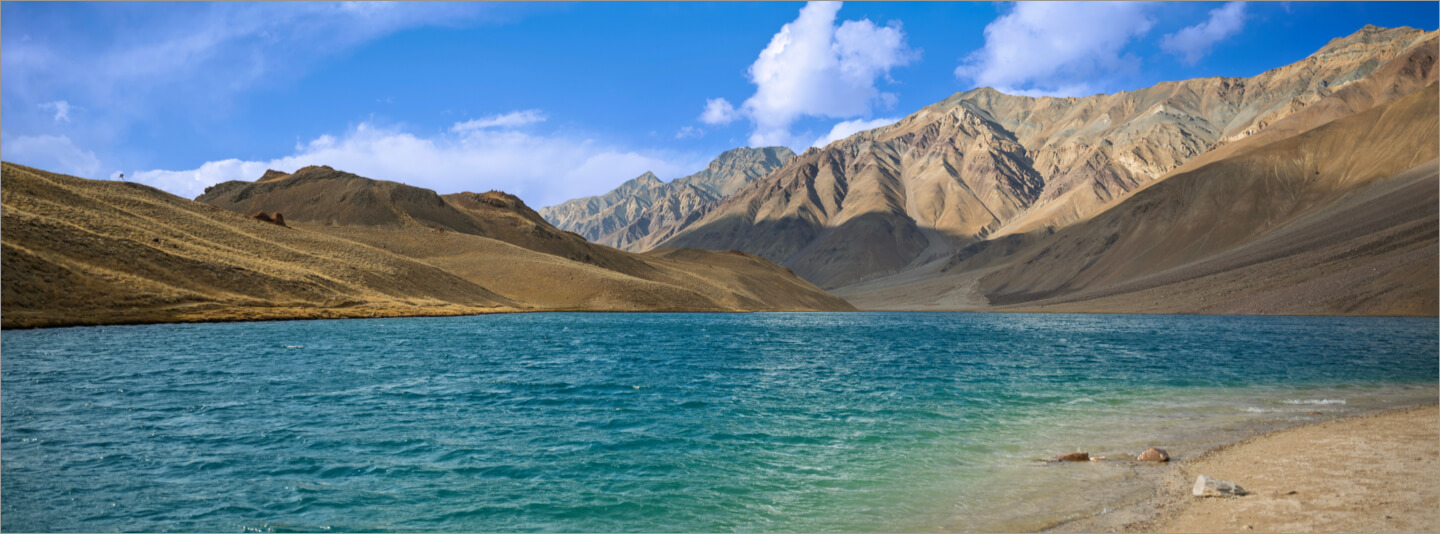
Throughout the experience, you’ll witness a living culture that honors the sacred in many forms: in the spinning of prayer wheels at Tibetan monasteries, in the silence beside alpine lakes like Chandratal, and in the deep-rooted reverence found at Shakti Shrines like Bhimakali and Jwalamukhi. From the legends embedded in Vedic shrines to the resilience of Buddhist communities high in Spiti, the journey connects places that are both steeped in history and vibrantly alive.

Whether you’re drawn by the vastness of the Himalayas, the quiet wisdom of spiritual traditions, or the call to step outside your familiar path, this journey offers space to explore, reflect, and return home with a renewed sense of clarity and purpose.

Key Highlights

Culture

The cultural experience of this journey is shaped by the quiet rhythms of daily life in the mountains. We’ll encounter communities that have preserved their traditions for generations—whether through architecture, food, local crafts, or storytelling. In towns and villages, there’s a strong sense of identity and connection to the past, visible in the way people live, work, and celebrate. The pace is unhurried, and the welcome is genuine. You’ll also notice how different cultural influences—ranging from colonial heritage to Tibetan traditions—blend together in ways that feel both unique and authentic. This is a place where history isn’t kept behind glass, but continues to shape everyday life.
Nature

The natural beauty of the region is both varied and immersive. The journey takes you through a wide range of landscapes—rolling foothills, dense forests, open river valleys, rocky cliffs, and high-altitude deserts. Each area has its own mood and rhythm, shaped by the season, the weather, and the terrain. Whether you’re walking through a quiet forest, watching the sunrise over a distant peak, or simply sitting beside a river, nature here invites you to slow down and pay attention. It’s not about dramatic views alone, but about the small, quiet moments—the feel of cool air, the sound of wind, the way the light changes throughout the day.
Spirituality

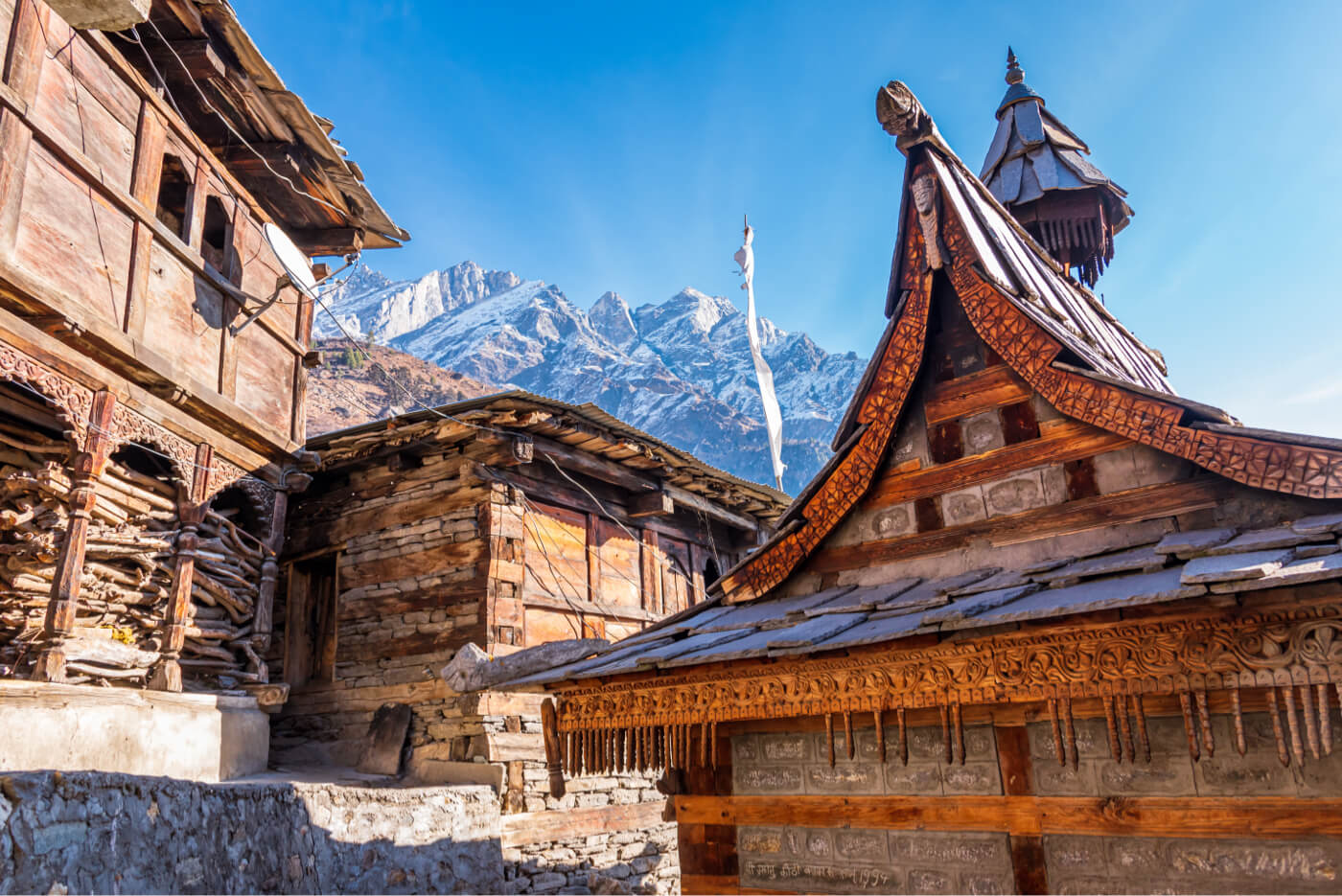
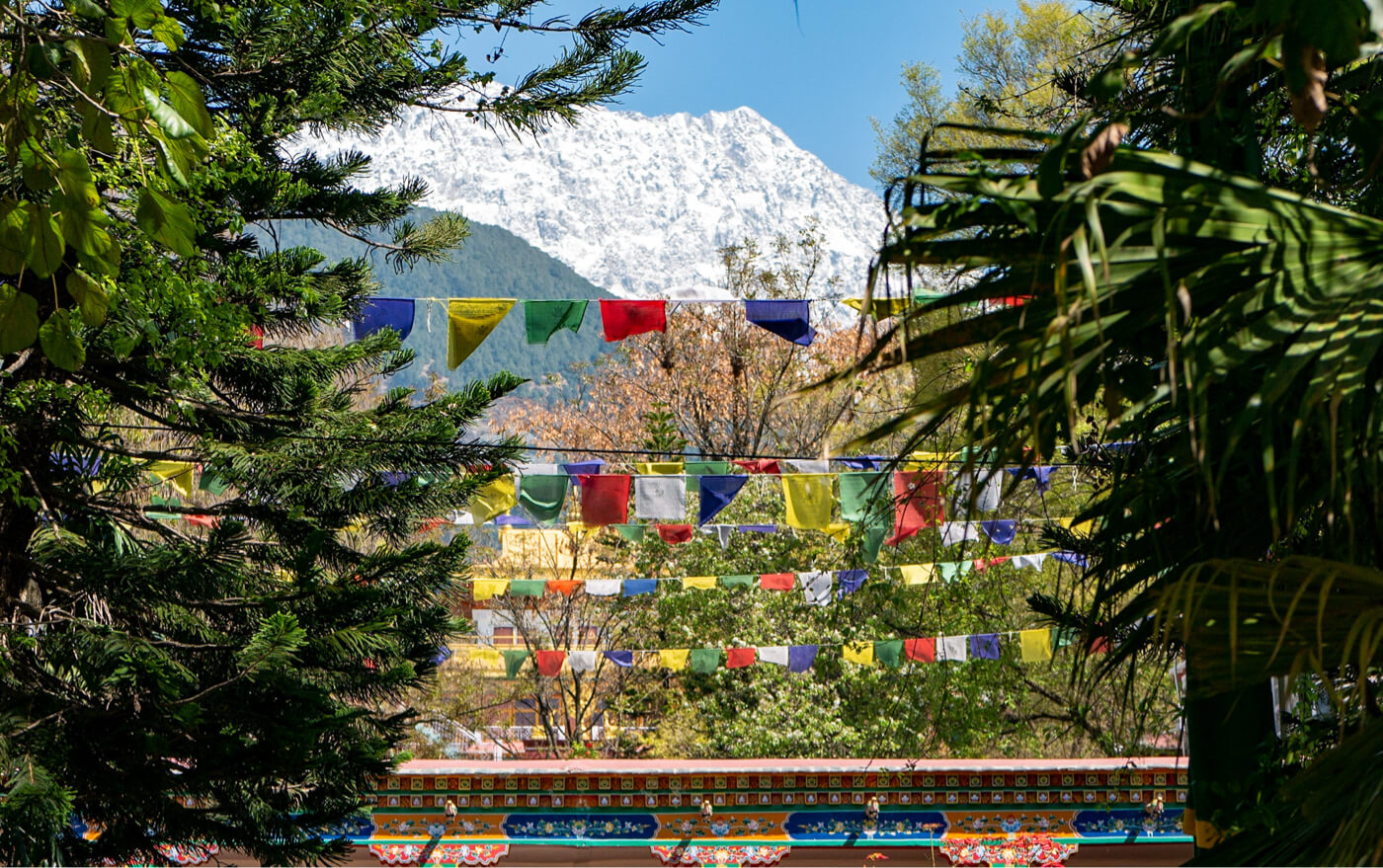
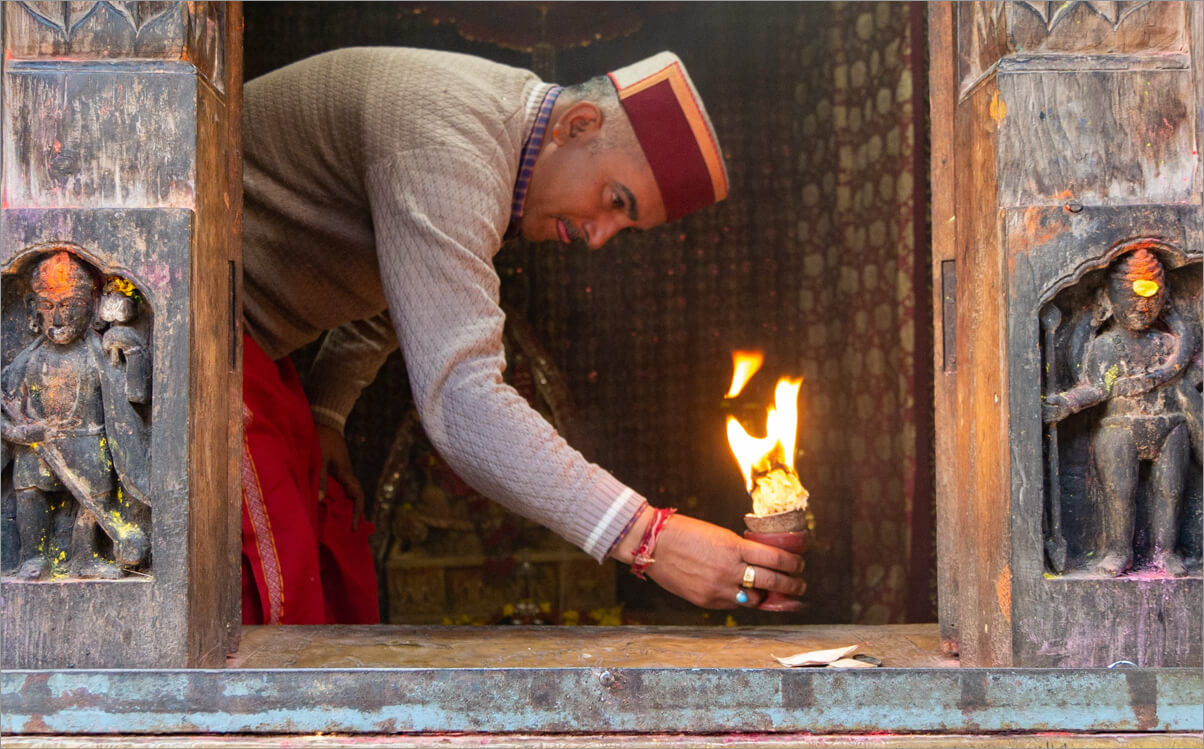
Spirituality on this journey is woven into the environment in a way that feels natural and unforced. It’s found in hillside temples, remote monasteries, prayer flags fluttering in the wind, and everyday rituals that reflect a deep respect for the land and the divine. Whether rooted in Hinduism, Buddhism, or local beliefs, these spiritual spaces are peaceful and welcoming, offering time for reflection. Even those who don’t follow a particular faith often find these places calming and grounding. Over time, the journey encourages a quieter state of mind—where moments of stillness, silence, and perspective come more easily.
Destinations
Shimla

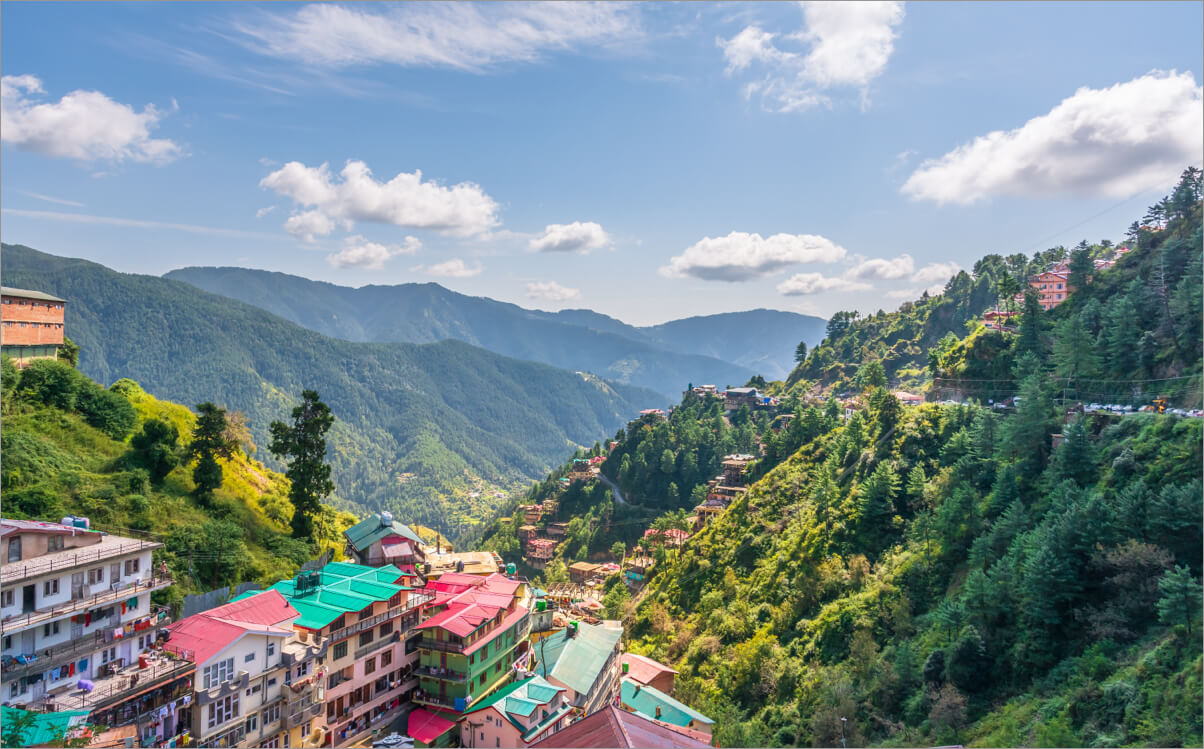
Shimla is a charming hill station known for its colonial heritage, scenic pine forests, and vibrant town life. The town’s centerpiece, Mall Road, offers bustling shops, cozy cafés, and striking neo-Gothic architecture like Christ Church. Nearby, the Tara Devi Temple sits amidst cedar and oak forests, providing peaceful Himalayan views and a spiritual retreat just outside town.
Baspa Valley (Sangla and Chitkul)

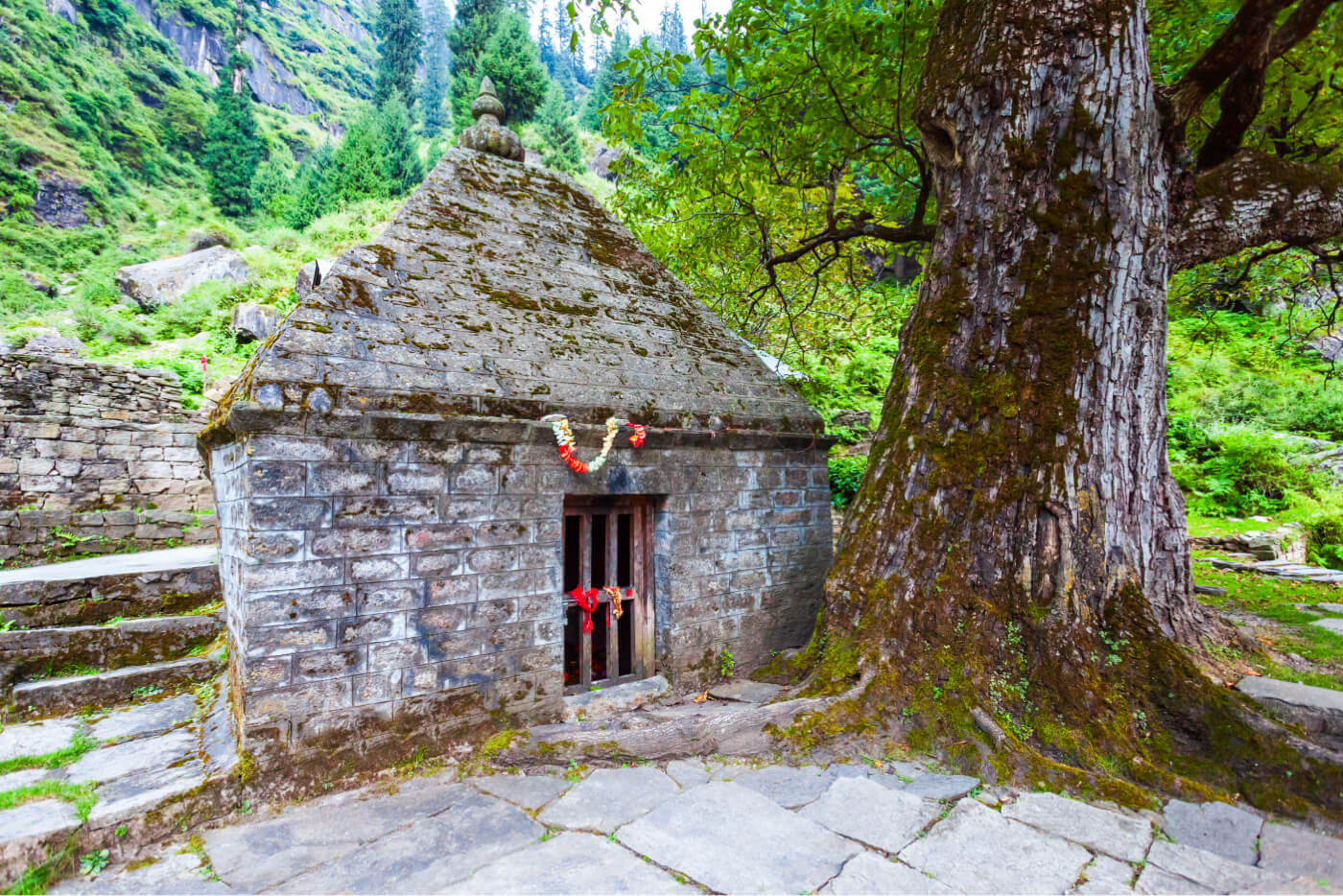
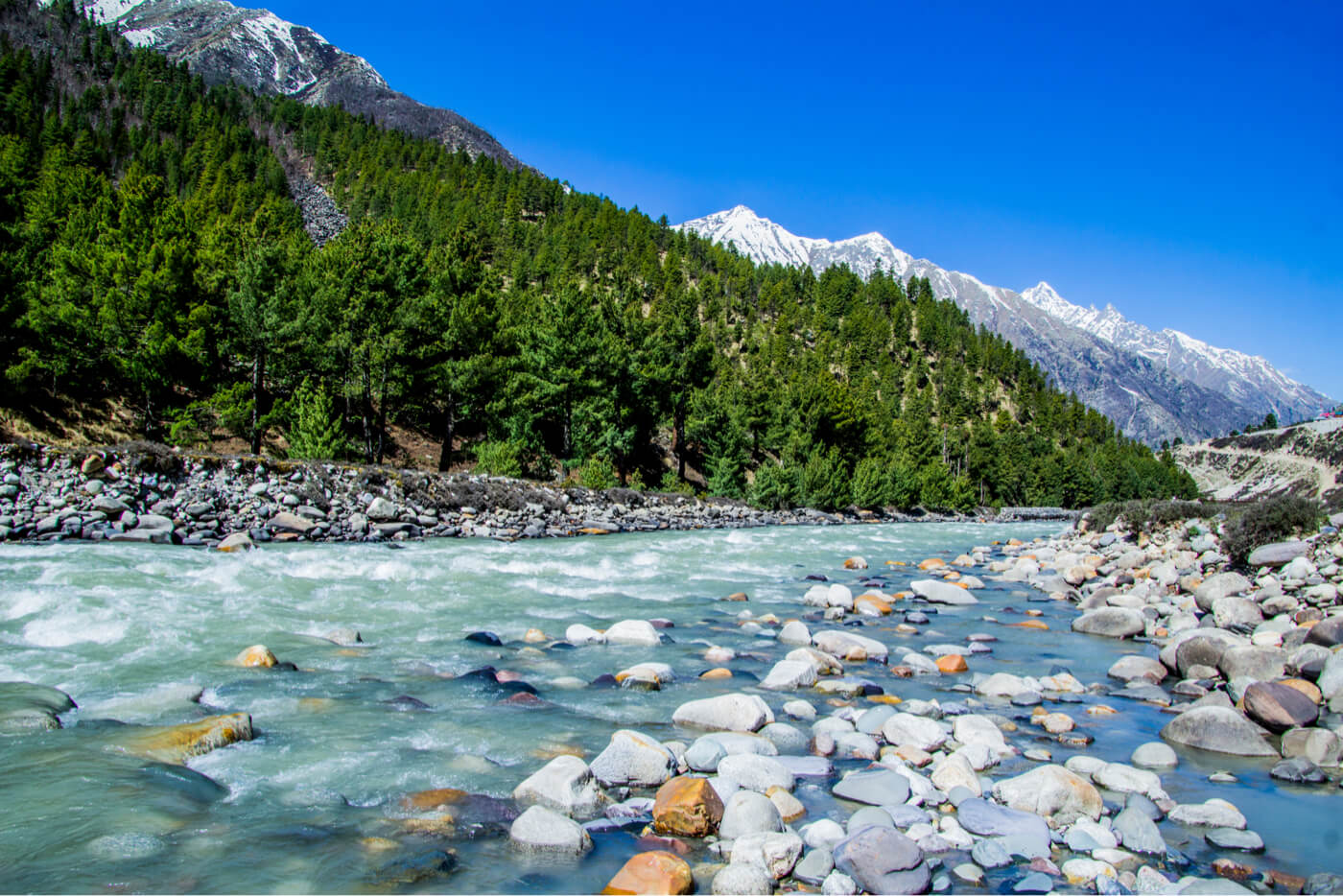
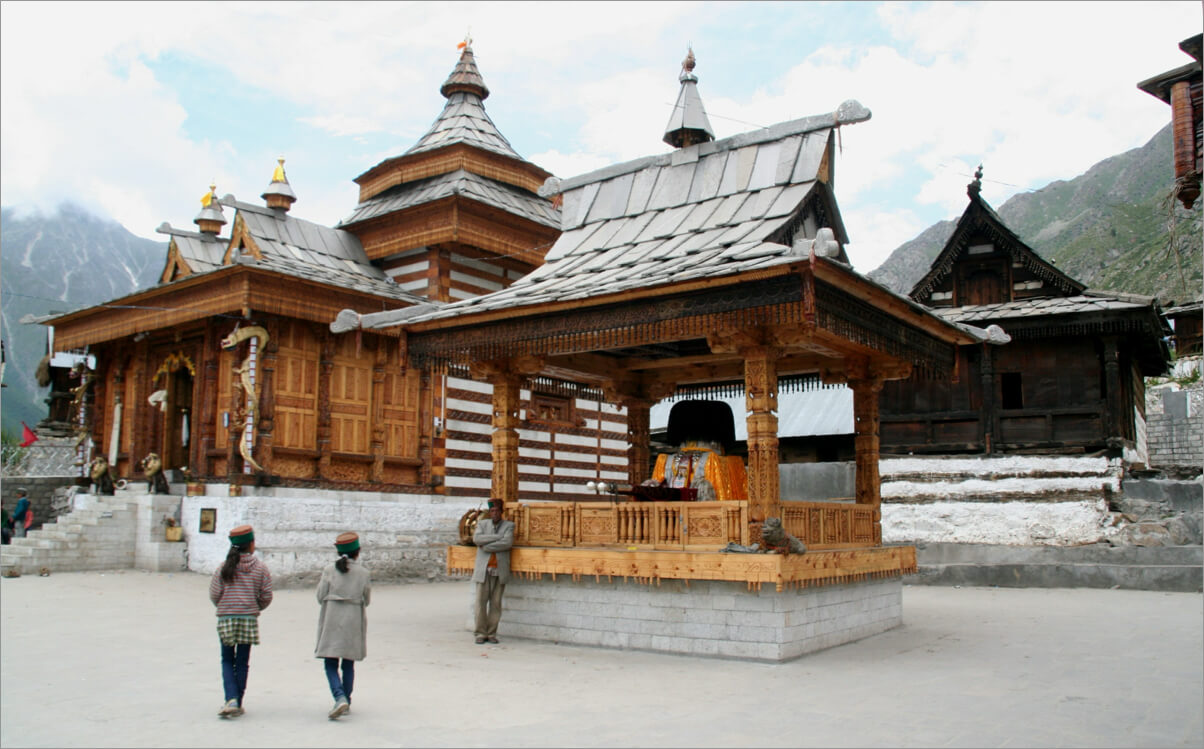
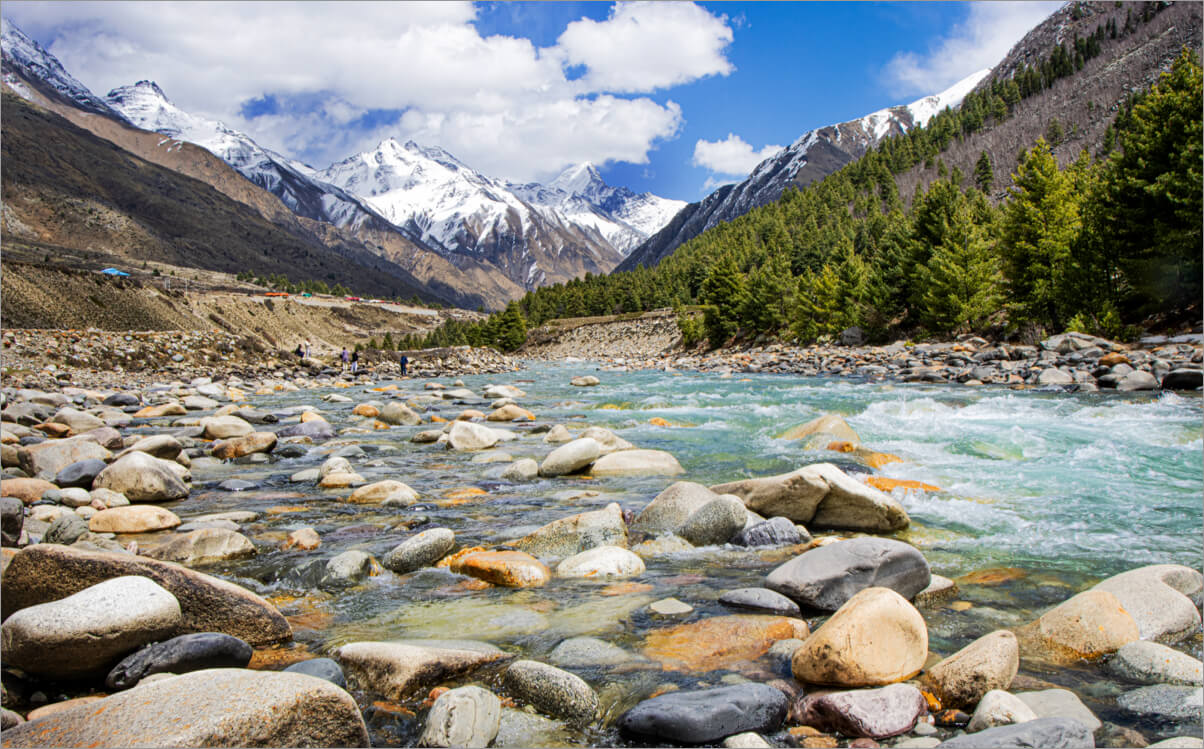
The Baspa Valley is a lush, riverine landscape framed by rugged cliffs and alpine forests. Sangla, a tranquil village by the Baspa River, is known for its natural beauty and eco camps. Close by, Chitkul is the last inhabited village near the Indo-Tibetan border, famed for its pristine environment, wooden houses, and traditional lifestyle. The valley also features spiritual sites like the Bhimakali Temple in Sarahan, and Chitkul’s village shrine of Mathi Devi.
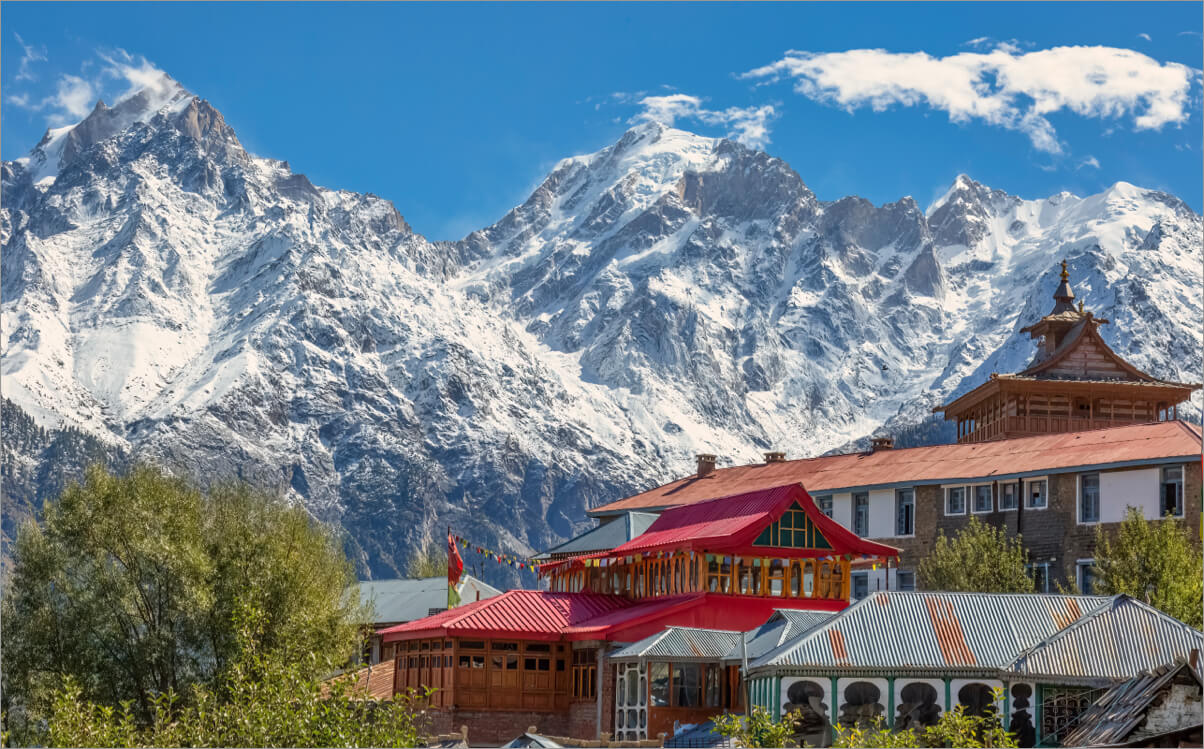
Kalpa and Roghi

Kalpa is a quiet village offering stunning views of the Kinner Kailash mountain range, revered in local tradition. The surrounding orchards and terraced fields add to its pastoral charm. Nearby Roghi village offers dramatic cliffside vistas, perfect for soaking in the region’s natural grandeur.
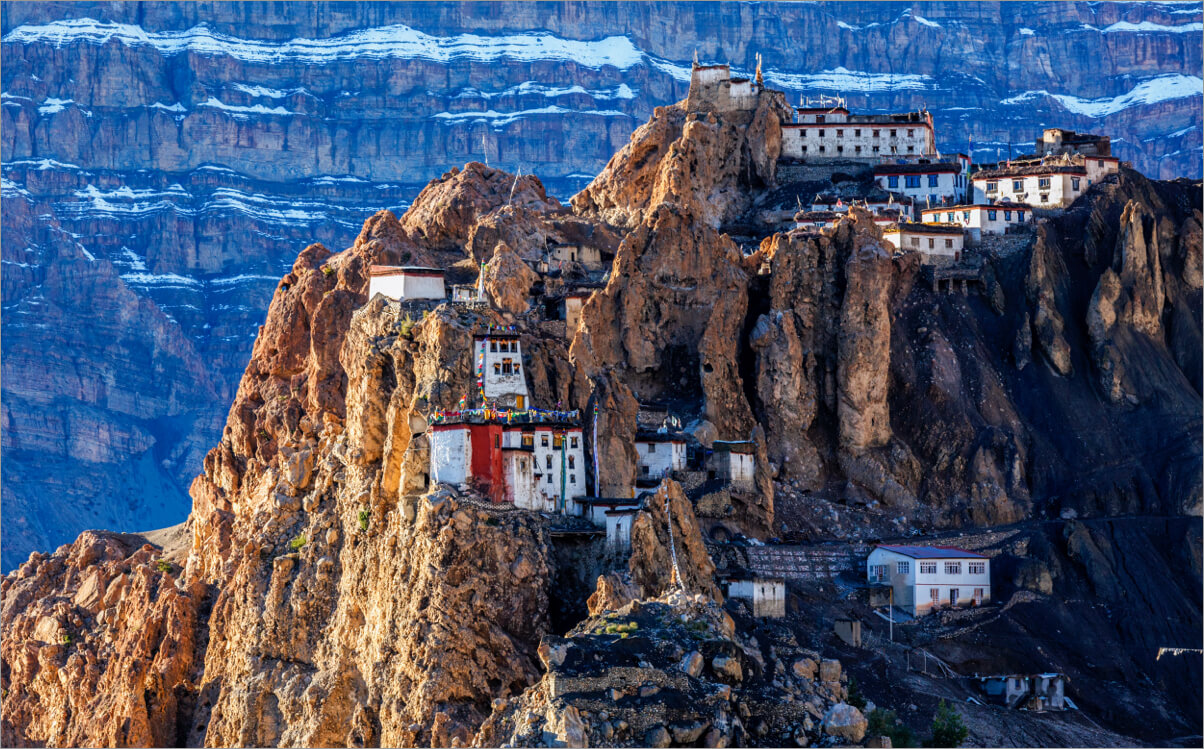
Spiti Valley (Nako, Tabo, Dhankar, Kaza, Ki Monastery, and Surrounding Villages)

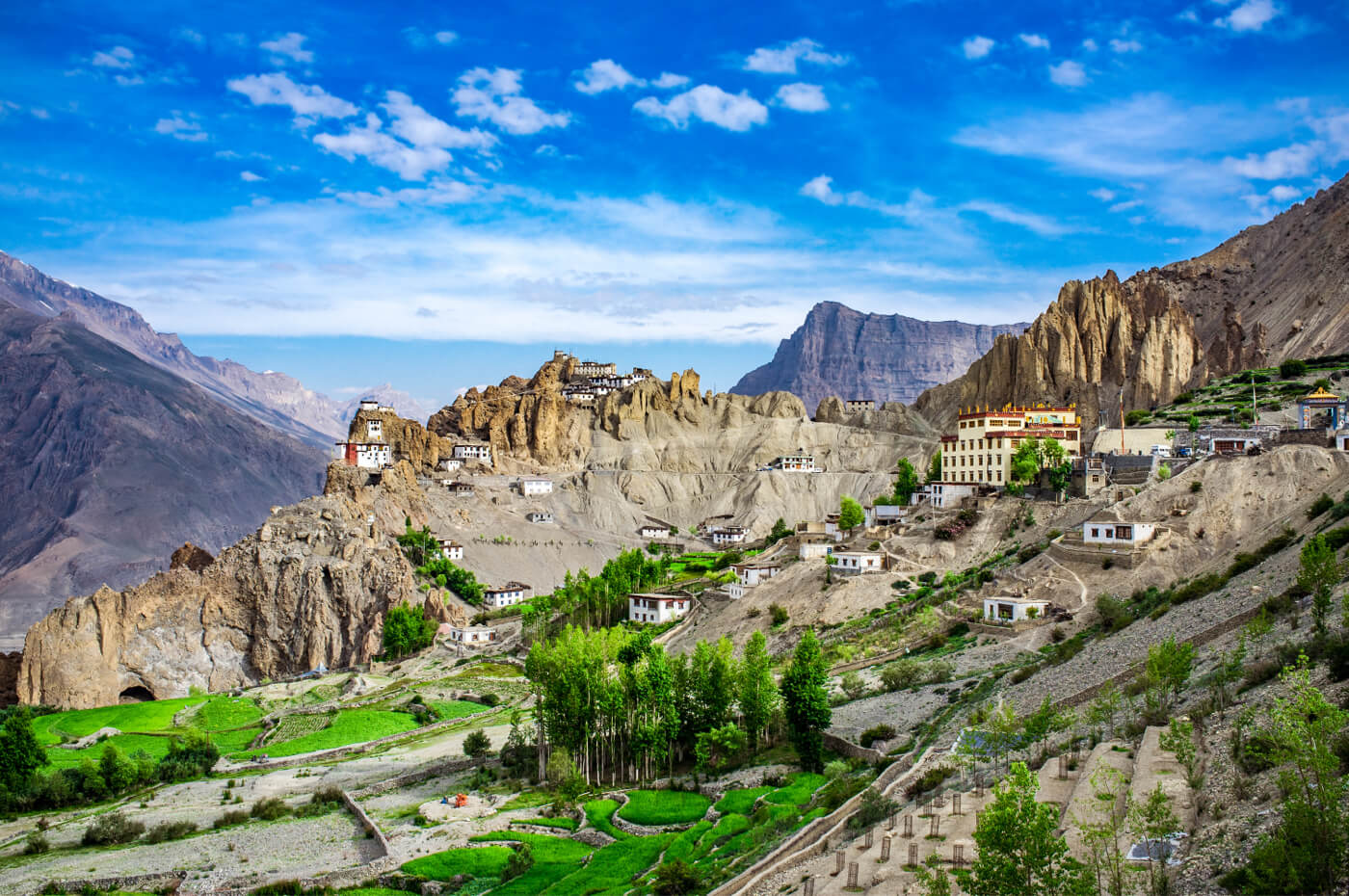
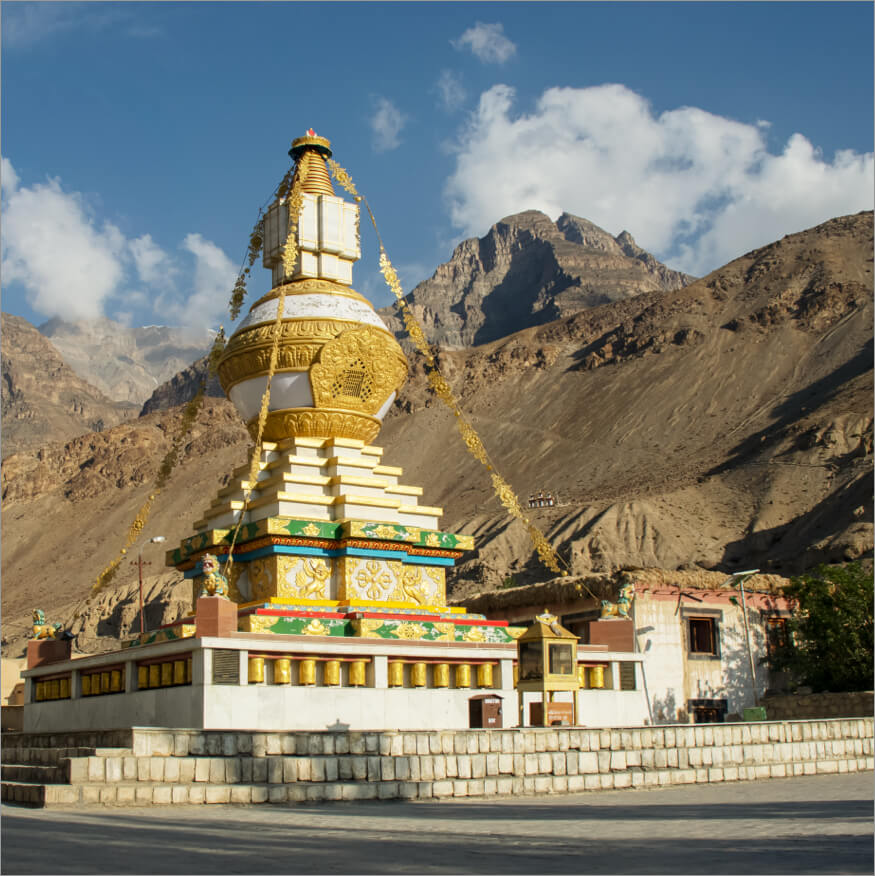
Spiti is a high-altitude desert valley marked by stark, lunar landscapes and ancient Buddhist culture. Nako is a peaceful village centered around a serene lake surrounded by prayer flags and chortens. Tabo hosts one of the oldest Buddhist monasteries in the Himalayas, rich with historic murals and meditation halls. Dhankar Monastery perches dramatically on cliffs, with an optional hike to the tranquil Dhankar Lake nearby. Kaza is Spiti’s main town and cultural hub, offering access to monasteries, local markets, and handicrafts. Highlights include Ki Monastery, the hilltop fortress-like gompa; Kibber, one of Asia’s highest inhabited villages; Chicham Bridge, the highest suspension bridge in Asia; and remote villages like Langza, Komik, and Hikkim, known for fossils, altitude records, and the world’s highest post office, respectively.
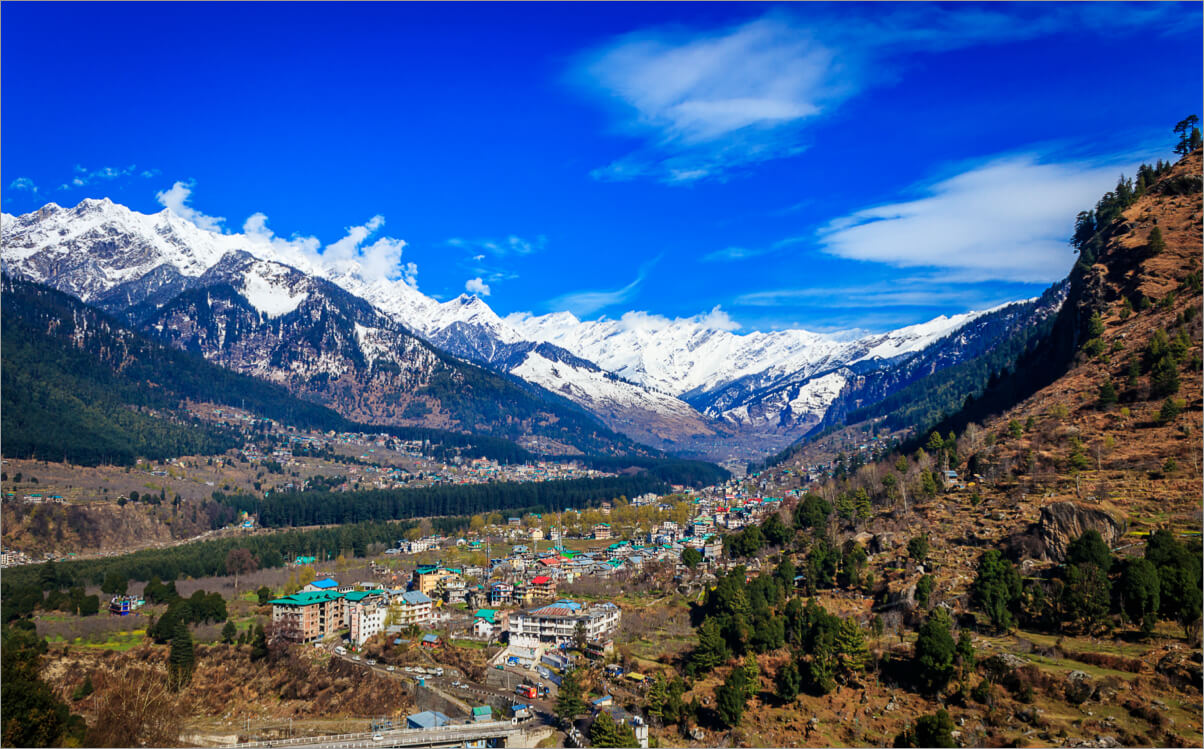
Manali

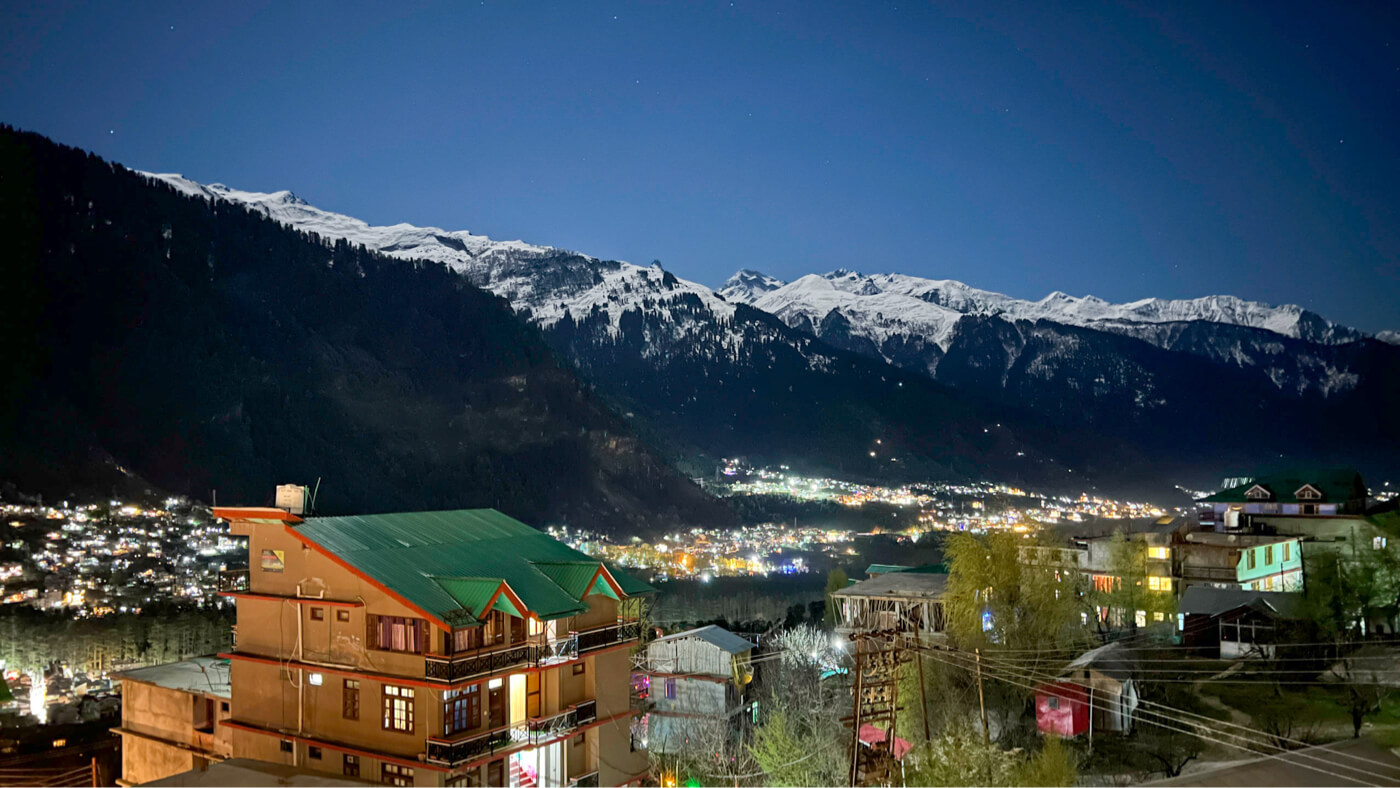
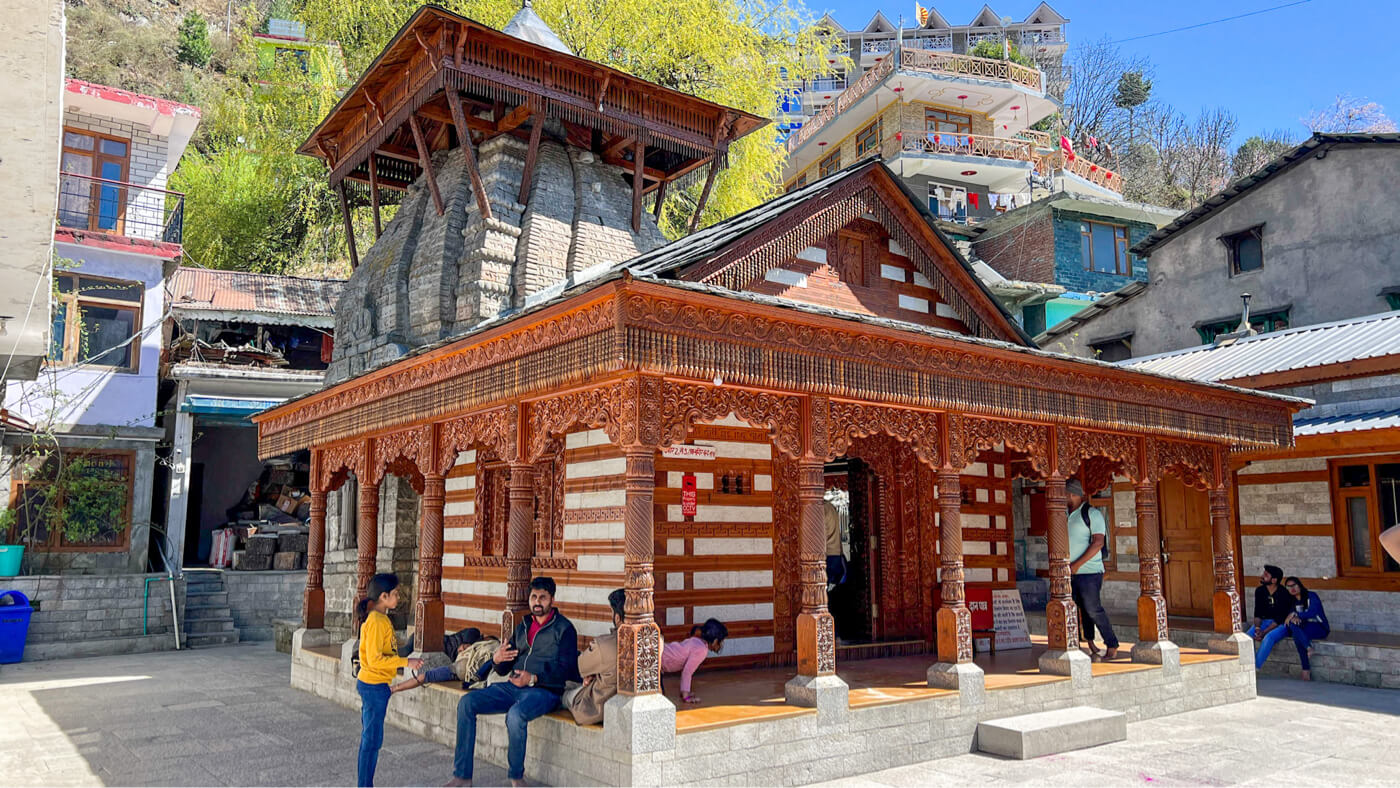
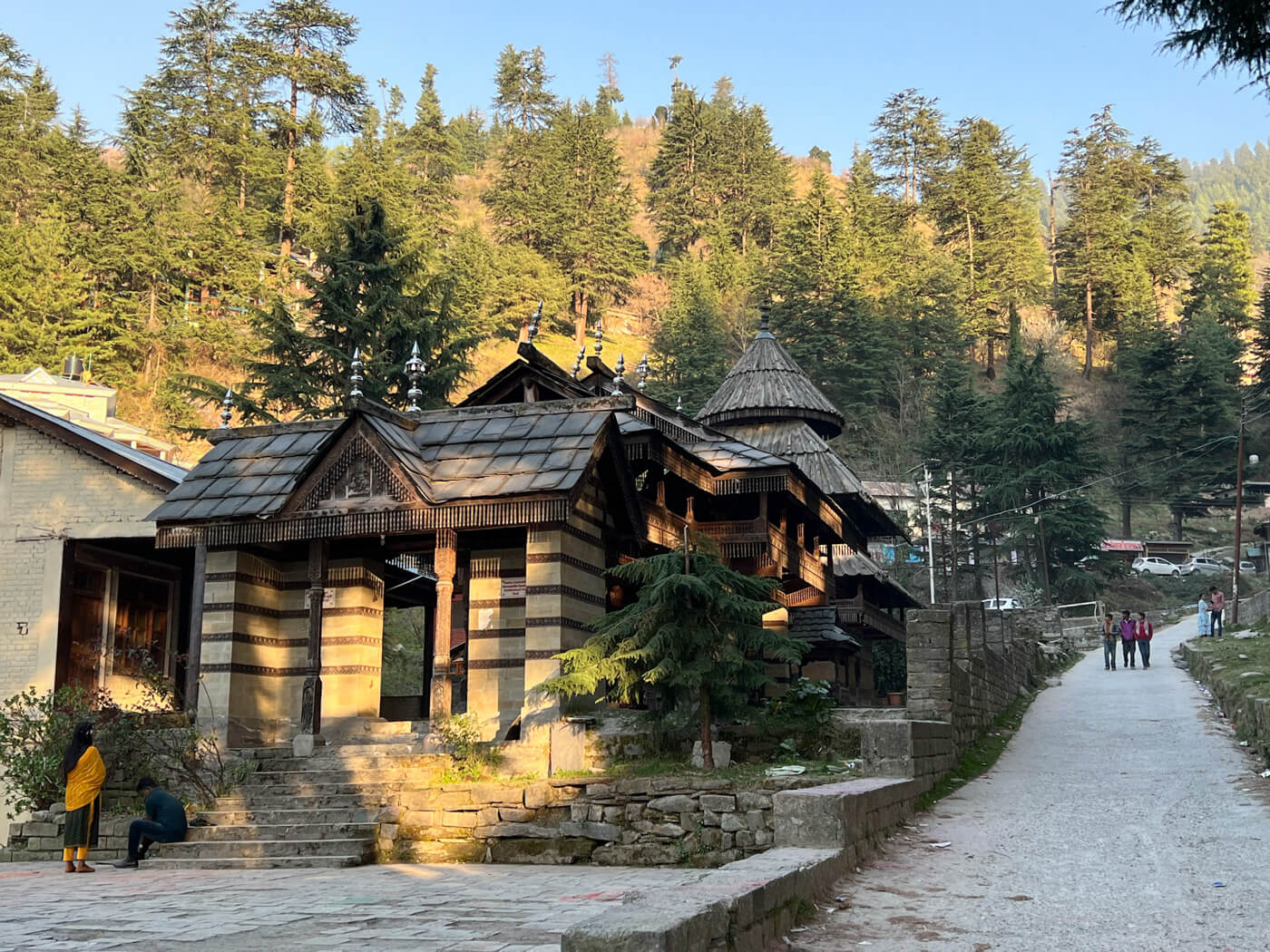
Manali is a popular mountain town blending natural beauty with rich mythology. Key sites include Manu Temple, dedicated to the sage Manu; Jogini Waterfall, accessible by a scenic trek; and Vashisht Temple with its natural hot springs. Nearby, Hadimba Devi Temple is a historic wooden structure surrounded by deodar forests. The town’s Old Manali area offers lively markets, cafés, and cultural experiences, while Arjuna Gufa and Jamadagni Temple connect visitors to epic Vedic legends.
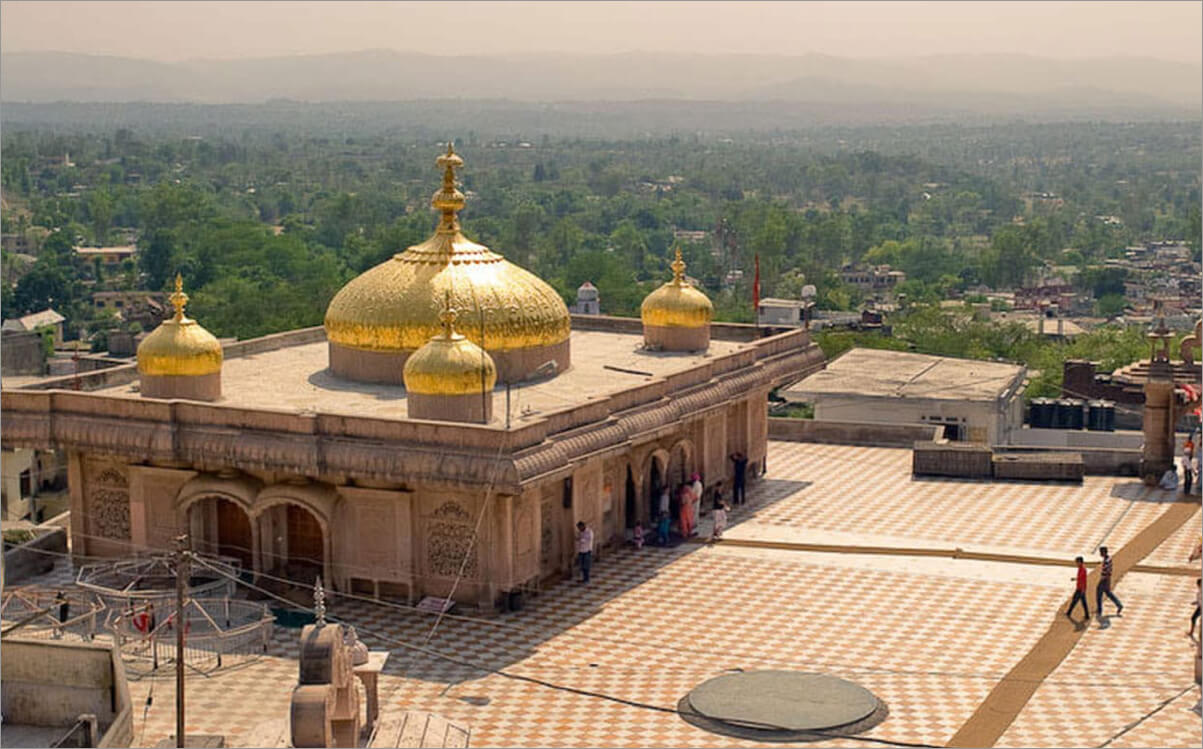
Mandi and Kangra Valley

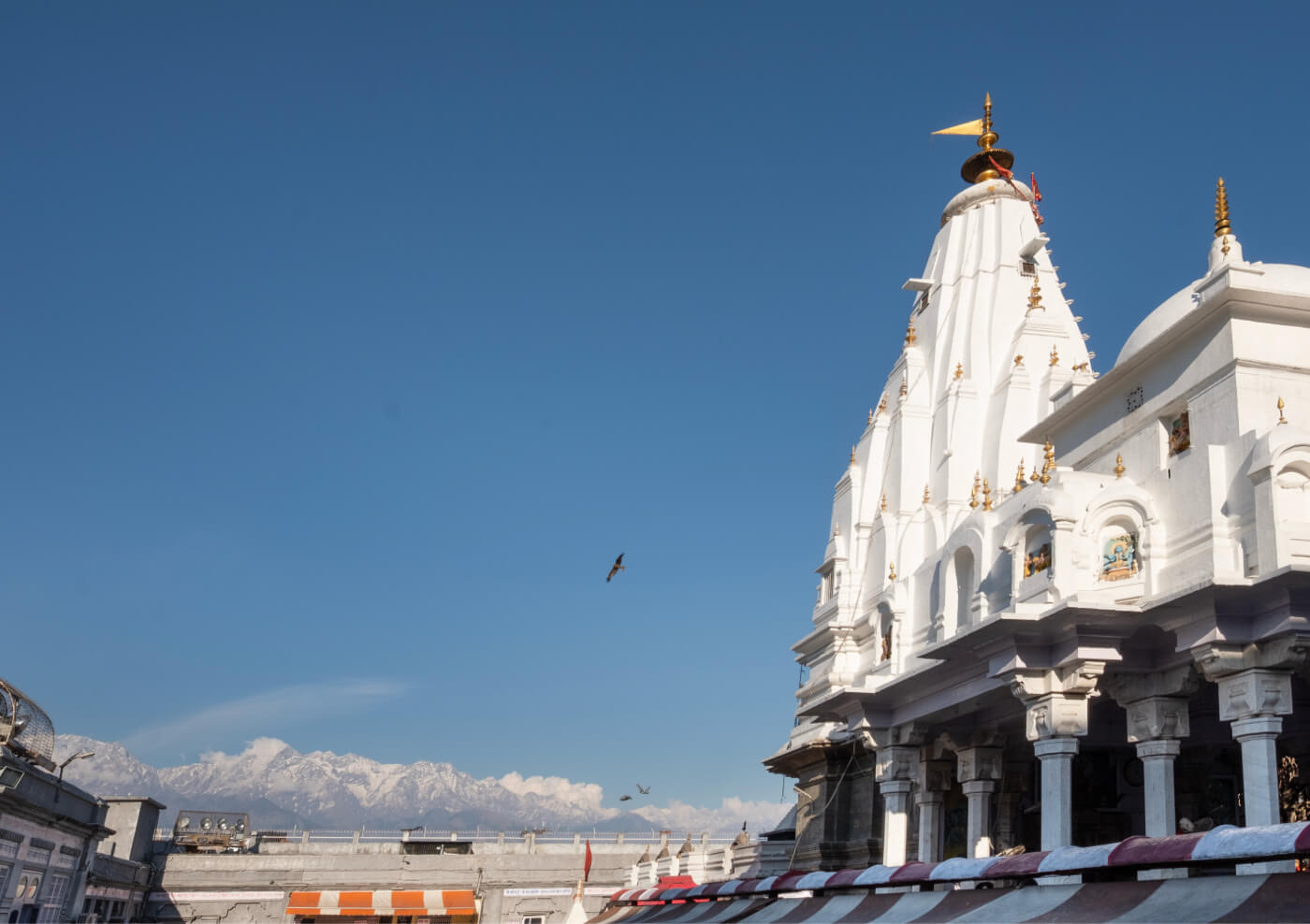
Mandi lies along the Beas River and serves as a gateway to spiritual temples. Nearby, the Tripura Sundari Temple is a revered Shakti Peeth, while the historic Raghunath Temple in Kullu exudes devotion for Lord Rama. In Kangra Valley, we’ll discover Jwalamukhi, Chintpurni, and Brajeshwari, each a powerful Shakti Peeth, echoing the divine feminine energy revered across India.
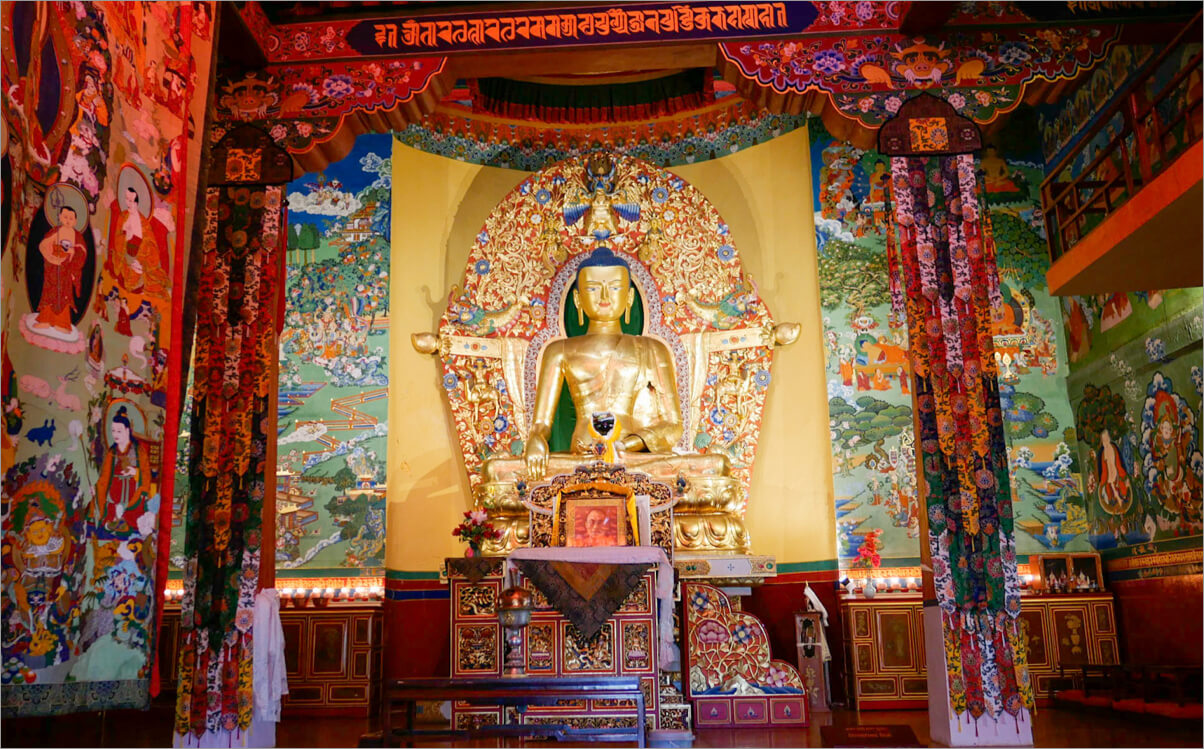
Dharamshala (Tibetan Buddhist Center)

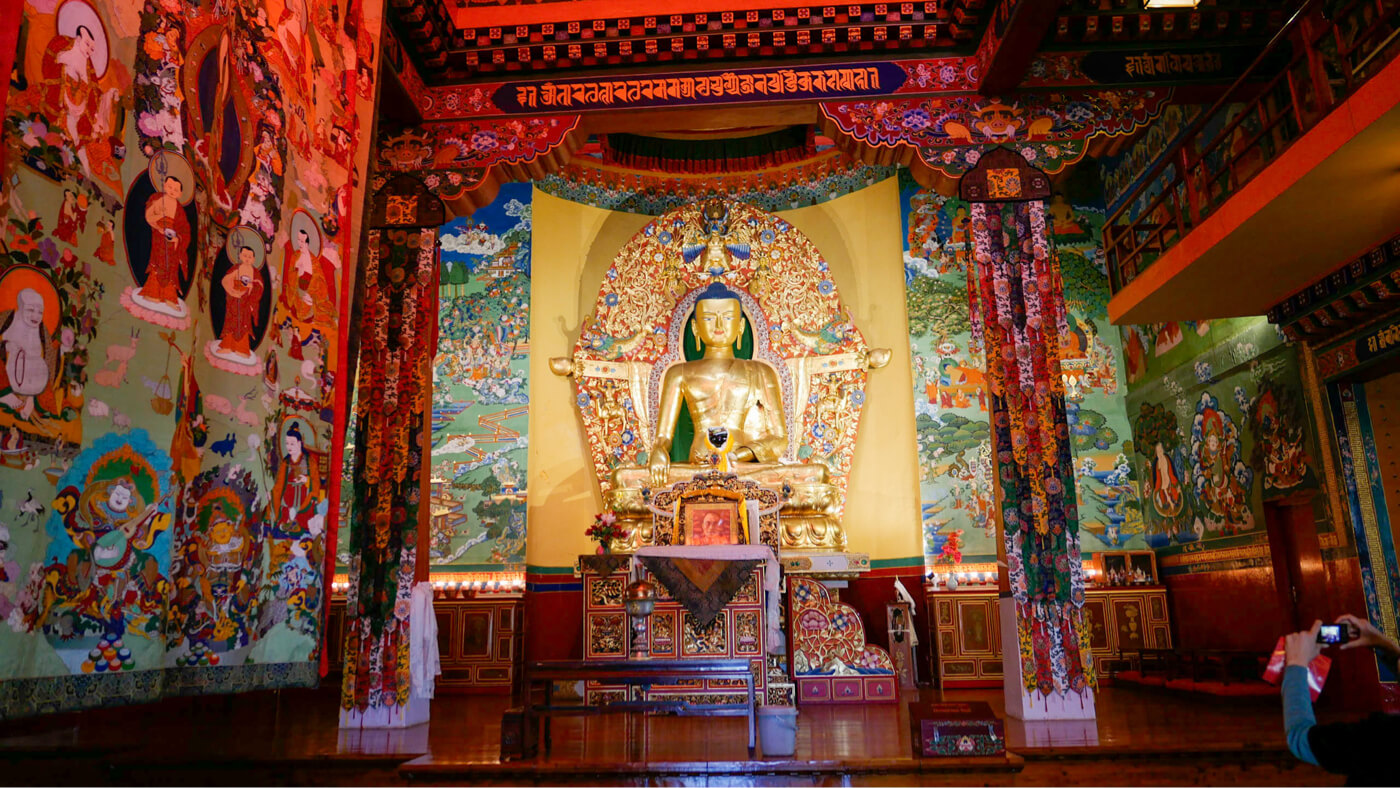
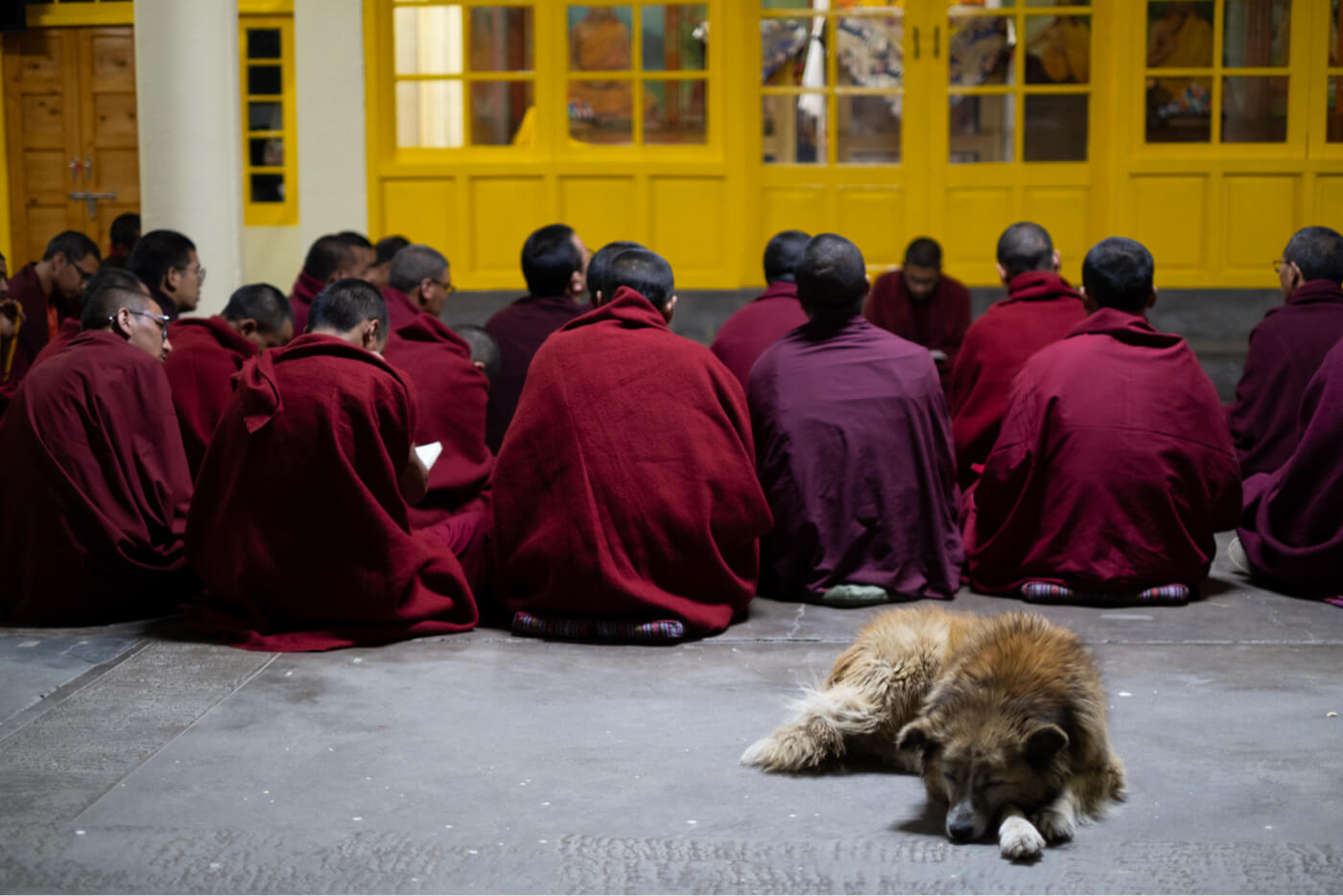
Dharamshala is the seat of Tibetan Buddhism in India and home to the Dalai Lama Temple Complex and Namgyal Monastery, centers for spiritual teachings and meditation. The Norbulingka Institute nearby preserves traditional Tibetan arts and crafts, surrounded by peaceful gardens. The area also includes the Chamunda Devi Temple, another shakti peeth, contributing to the town’s spiritual atmosphere. Bhagsunag Temple and the nearby Bhagsu Waterfall offer a serene natural setting close to town.
Itinerary

  • Drive: 113 km | 4 hours
  • Elevation: 1,050–7,100 ft

Depart from Chandigarh in the early morning and begin the scenic ascent into the lower Himalayas. As the road winds through pine forests and hillside villages, we’ll gradually enter the colonial charm of Shimla, once the summer capital of British India. After settling into your hotel, enjoy a relaxed evening stroll along the Mall Road, lined with shops and colonial-era architecture like the iconic Christ Church.

Overnight: 4-Star Hotel, Shimla

  • Elevation: 7,100–8,050 ft

After breakfast, take a gentle hike to the Tara Devi Temple, perched on a wooded ridge just outside town. The trail passes through serene cedar and oak forests, offering sweeping views and a peaceful temple setting. Return to Shimla for a laid-back afternoon—shop for wooden crafts at Lakkar Bazaar, sip coffee in a historic café, or take the ropeway to the Hanuman temple on Jakhu Hill. The evening is free to relax and prepare for the journey deeper into the mountains.

Overnight: 4-Star Hotel, Shimla

  • Drive: 220 km | 7–8 hours
  • Elevation: 7,100–8,900 ft

Set out early for a scenic journey through Narkanda, where snow-capped peaks begin to appear on the horizon. Stop at Sarahan to visit the Bhimakali Temple, a sacred Shakti Peeth and a striking fusion of Hindu and Tibetan-influenced architecture. As the road climbs, green forests gradually give way to rocky terrain. Enter the stunning Baspa Valley and reach Sangla, a riverside village embraced by dramatic mountain cliffs. Settle into a peaceful eco-camp and enjoy the mountain air.

Overnight: Swiss Cottage Glamping, Sangla

  • Drive: 50 km | 2.5 hours
  • Elevation: 8,900–11,300–8,900 ft

After breakfast, drive deeper into the valley to Chitkul, the last inhabited village near the Indo-Tibetan border. With its crisp air, traditional wooden homes, and riverside setting, it offers a taste of untouched Himalayan life. Visit the village’s Mathi Devi Temple and enjoy a peaceful walk through the meadows. You may choose to picnic by the Baspa River or stop for tea at the “last dhaba of India.” Return to Sangla in the afternoon, with an optional visit to Kamru Fort, a wooden tower temple housing ancient shrines devoted to Kamakhya and Badrinath.

Overnight: Swiss Cottage Glamping, Sangla

  • Drive: 95 km | 4 hours
  • Elevation: 8,900–9,900 ft

Depart Sangla and journey to Kalpa, a serene village known for breathtaking views of the Kinner Kailash mountain range. The route ascends through apple orchards and terraced farms before reaching Kalpa’s quiet lanes. Once there, relax at your hotel and admire the snow-draped peaks glowing at sunset. Take a short trip to Roghi village for panoramic cliffside views.

Overnight: 3-Star Boutique Hotel, Kalpa

  • Drive: 172 km | 6–7 hours
  • Elevation: 9,700–11,800 ft

Leave behind Kalpa’s greenery and enter the stark, high-altitude landscapes of Spiti. The drive transitions dramatically from orchards to rugged desert terrain. Pause at the tranquil village of Nako, where a small lake reflects the sky, prayer flags flutter, and chortens dot the shoreline. Later, arrive at Tabo, home to one of the oldest monasteries in the Himalayas. The mud-walled Tabo Monastery, often called the “Ajanta of the Himalayas,” houses centuries-old frescoes and scriptures.

Overnight: Boutique Eco Resort, Tabo

  • Drive: 65 km | 3–4 hours
  • Elevation: 11,800–13,500–12,500 ft

This morning, head to Dhankar, the former capital of Spiti, where the cliff-hugging monastery overlooks the confluence of the Spiti and Pin rivers. Those up for a light challenge can hike to Dhankar Lake, a secluded alpine lake surrounded by craggy peaks. Continue to Kaza, Spiti’s main town, and unwind for the evening—visit the Sakya Monastery or explore the local market for handmade crafts.

Overnight: Charming Himalayan Hotel, Kaza

  • Drive: 75 km | 3 hours
  • Elevation: 12,500–15,000–12,500 ft

Today’s explorations begin with a visit to Ki Monastery, Spiti’s most iconic gompa, perched fortress-like above the valley. Next, visit Kibber, one of the world’s highest inhabited villages, and take a short walk across Chicham Bridge, the highest suspension bridge in Asia. After lunch, head to the left-bank villages: Langza, known for fossil-strewn hills; Komik, claimed to be the highest motorable village; and Hikkim, home to the world’s highest post office.

Overnight: Charming Himalayan Hotel, Kaza

  • Drive: 250 km | 9–10 hours
  • Elevation: 12,500–15,000–6,700 ft

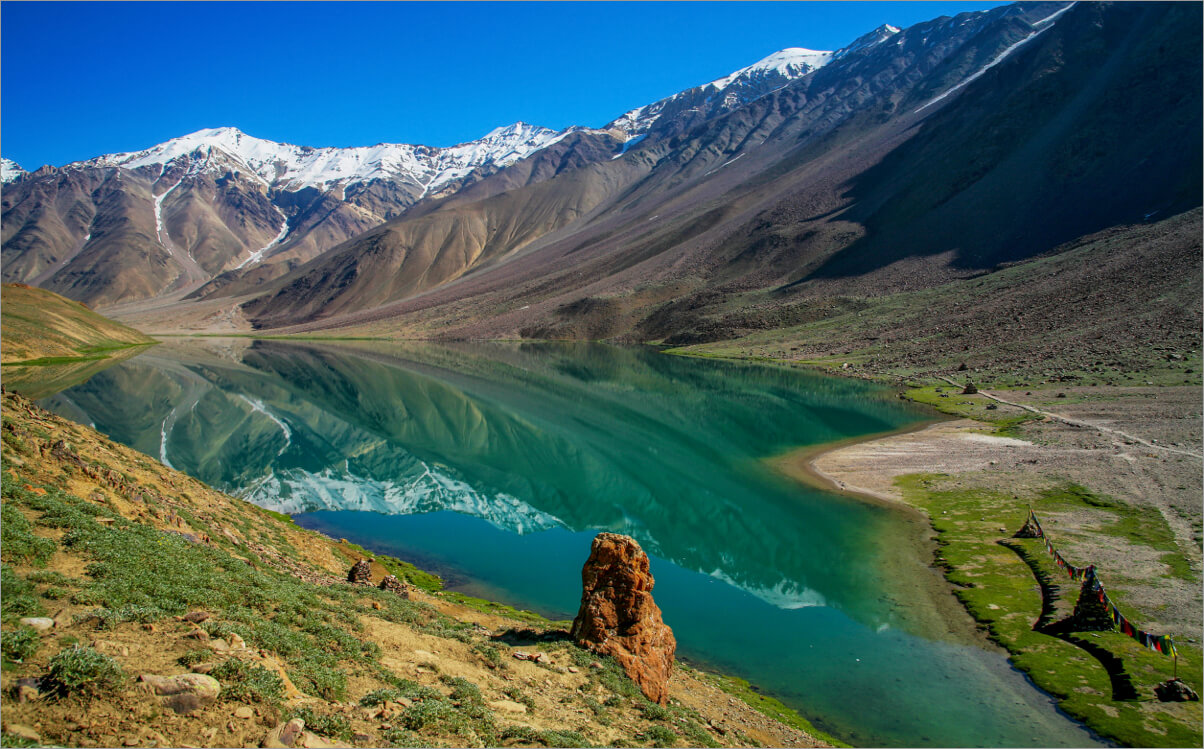
Set out early for a dramatic crossing of Kunzum Pass, a high-altitude gateway to Lahaul adorned with fluttering prayer flags. Detour to Chandratal Lake, a crescent-shaped alpine gem with mirror-like waters. Enjoy short lakeside walks before descending through Batal and entering lush landscapes via the Atal Tunnel. Arrive in Manali by evening, where forests and rivers replace desert peaks.

Overnight: 3-4 Star Modern Hotel, Manali

  • Elevation: 6,700 ft

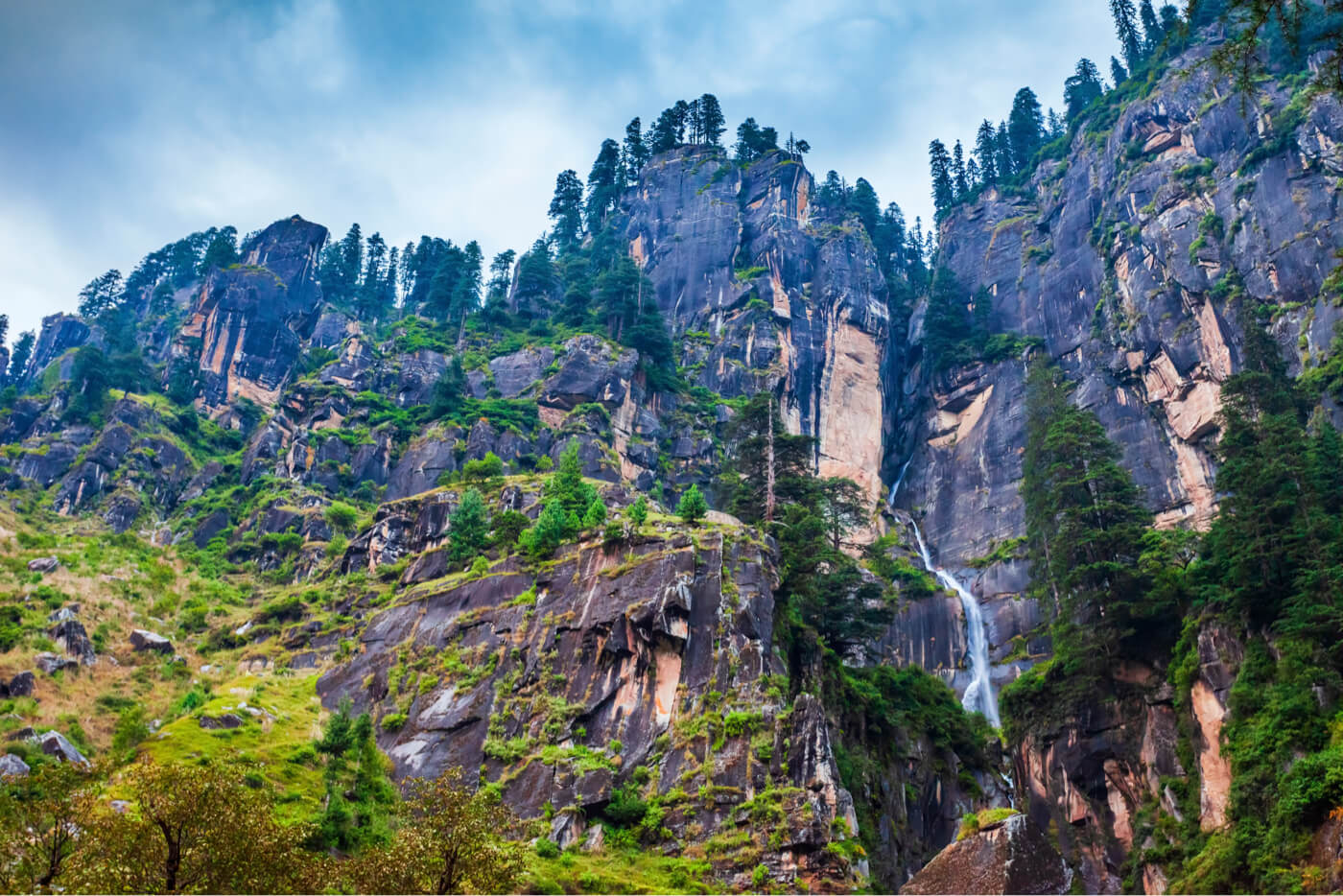
Start your day with a walk through Old Manali to visit the Manu Temple, believed to honor the sage who wrote the Manusmriti. Enjoy lunch at a local café before heading on a forested hike to Jogini Waterfall, a peaceful cascade tucked in pine groves. Conclude the day with a visit to Vashisht Temple, known for its hot springs and spiritual ambiance.

Overnight: 3-4 Star Modern Hotel, Manali

  • Drive: 25 km | 1 hour
  • Elevation: 6,700 ft

Begin the day at Hadimba Devi Temple, a historic wooden shrine surrounded by deodar trees. Post-breakfast, hike to Arjuna Gufa followed by a visit to the Jamadagni Temple, both connected to stories from the Mahabharata. Spend the afternoon at your leisure—shop in the market, sip tea in cafés, or simply enjoy the relaxed mountain atmosphere.

Overnight: 3-4 Star Modern Hotel, Manali

  • Drive: 110 km | 4–5 hour
  • Elevation: 6,700–2,500 ft

Drive down from the highlands toward Mandi, pausing at the Tripura Sundari Temple, a revered shakti shrine, and Raghunath Temple in Kullu, devoted to Lord Rama. Arrive in Mandi and enjoy a relaxed afternoon and evening along the banks of the Beas river.

Overnight: 3-Star modern Hotel, Mandi

  • Drive: 150 km | 5–6 hour
  • Elevation: 2,500–6,800 ft

Today is devoted to spiritual sites en route to Dharamshala. Visit Jwalamukhi Temple, where natural flames emerge mysteriously from rock crevices. Continue to Chintpurni, a temple known for wish fulfillment, and Brijeshwari Temple in Kangra, famous for its legend-rich history. Arrive in Dharamshala, the seat of Tibetan Buddhism in India.

Overnight: 4-Star Modern Hotel, Dharamshala

  • Drive: 25 km | 1 hour
  • Elevation: 6,800–3,600–6,800 ft

Spend the morning immersed in Tibetan spiritual life at the Dalai Lama Temple Complex and Namgyal Monastery. Later, visit Chamunda Devi Temple, steeped in shakti and legend. In the afternoon, tour the Norbulingka Institute, a center for preserving Tibetan arts. Wander its gardens and enjoy a fresh lunch at the on-site café. In the evening, relax at the hotel or roam the markets of Mcleodganj.

Overnight: 4-Star Modern Hotel, McLeodganj

  • Drive: 25 km | 1 hour
  • Elevation: 6,800–2,500 ft

On your final morning, visit the Bhagsunag Temple and enjoy a short hike to the nearby waterfall. Return to freshen up and have breakfast before your mid-morning transfer to the airport or train station—carrying memories of the Himalayas’ landscapes, cultures, and spirit.

Accommodations

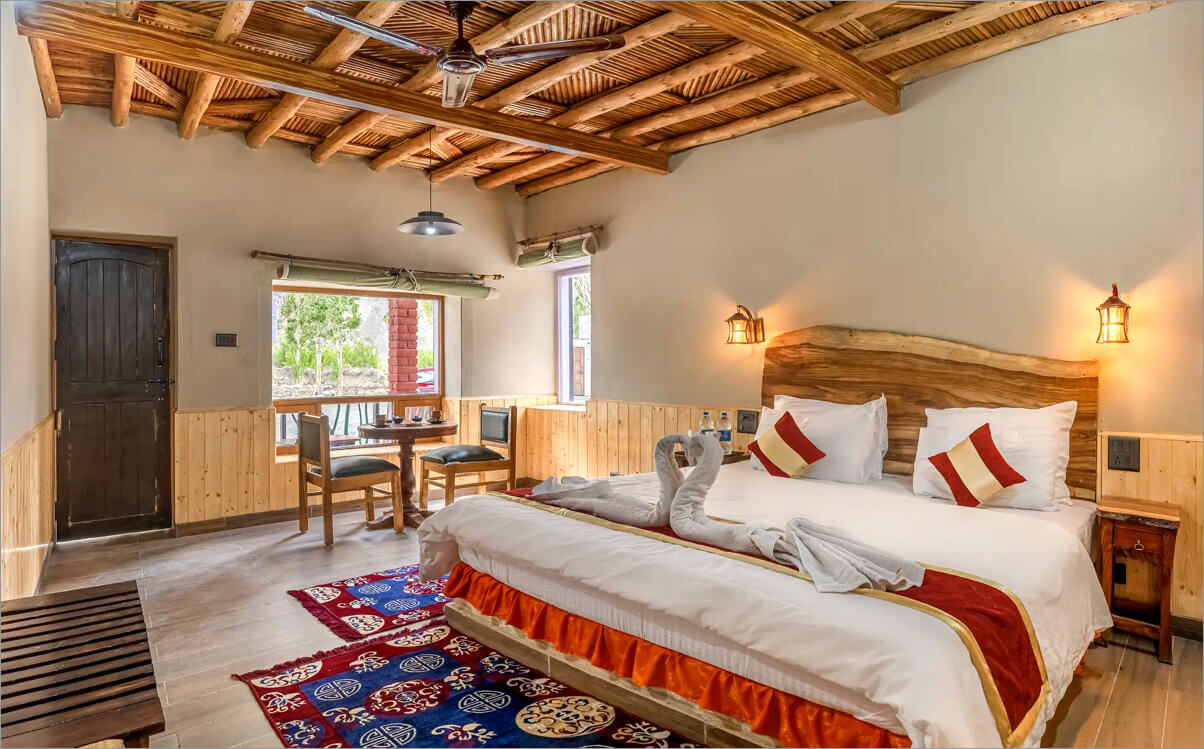
Accommodations for this excursion range from luxuries of modern 4-star hotels, glamping in deluxe swiss tents with attached washrooms, to charming boutique hotels and lodges that reflect their local mountain cultures. Each location will offer a unique comfort that makes us feel at home.
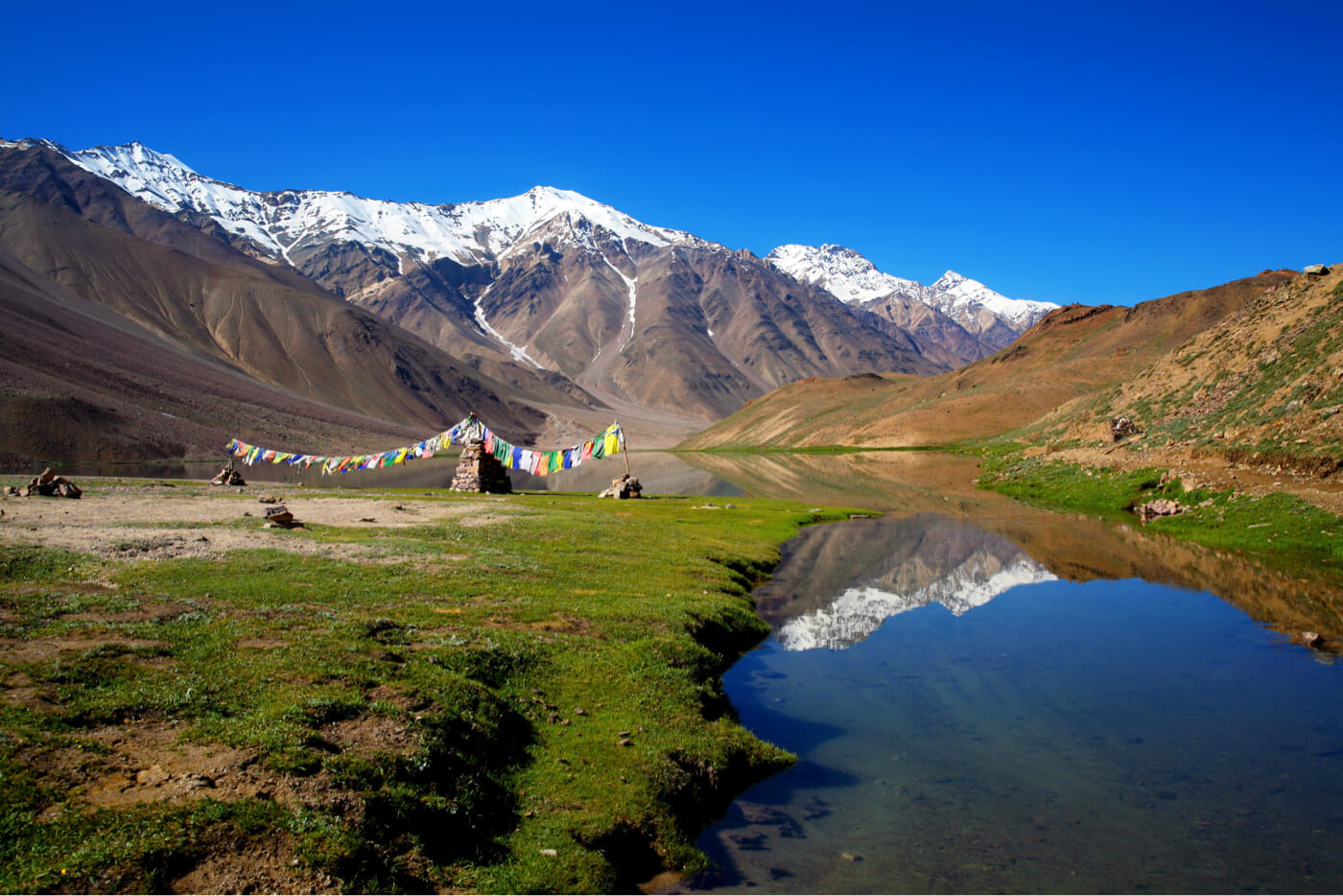
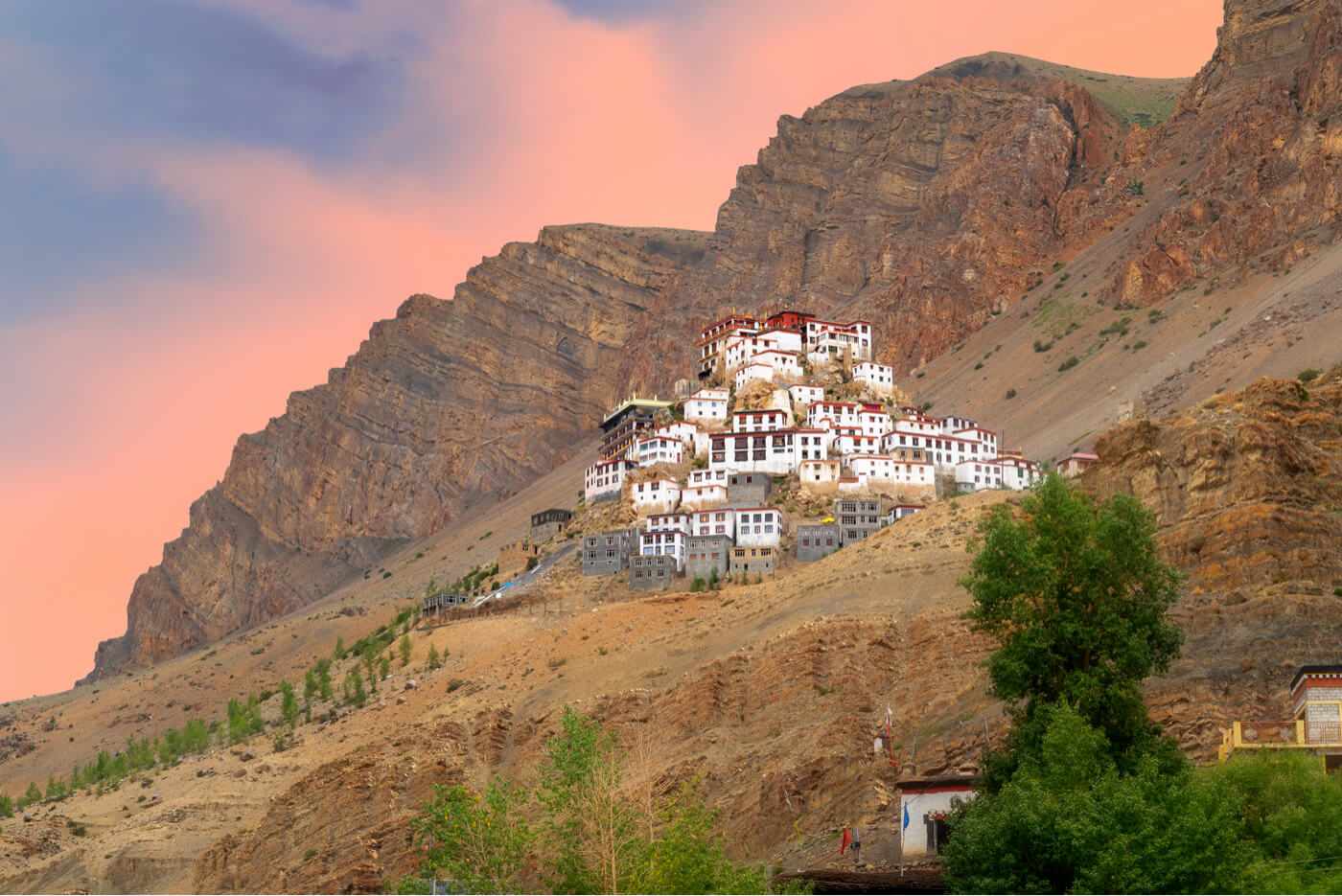
Photo Gallery

View More Photos

Excursion Leader

Ransom Hare

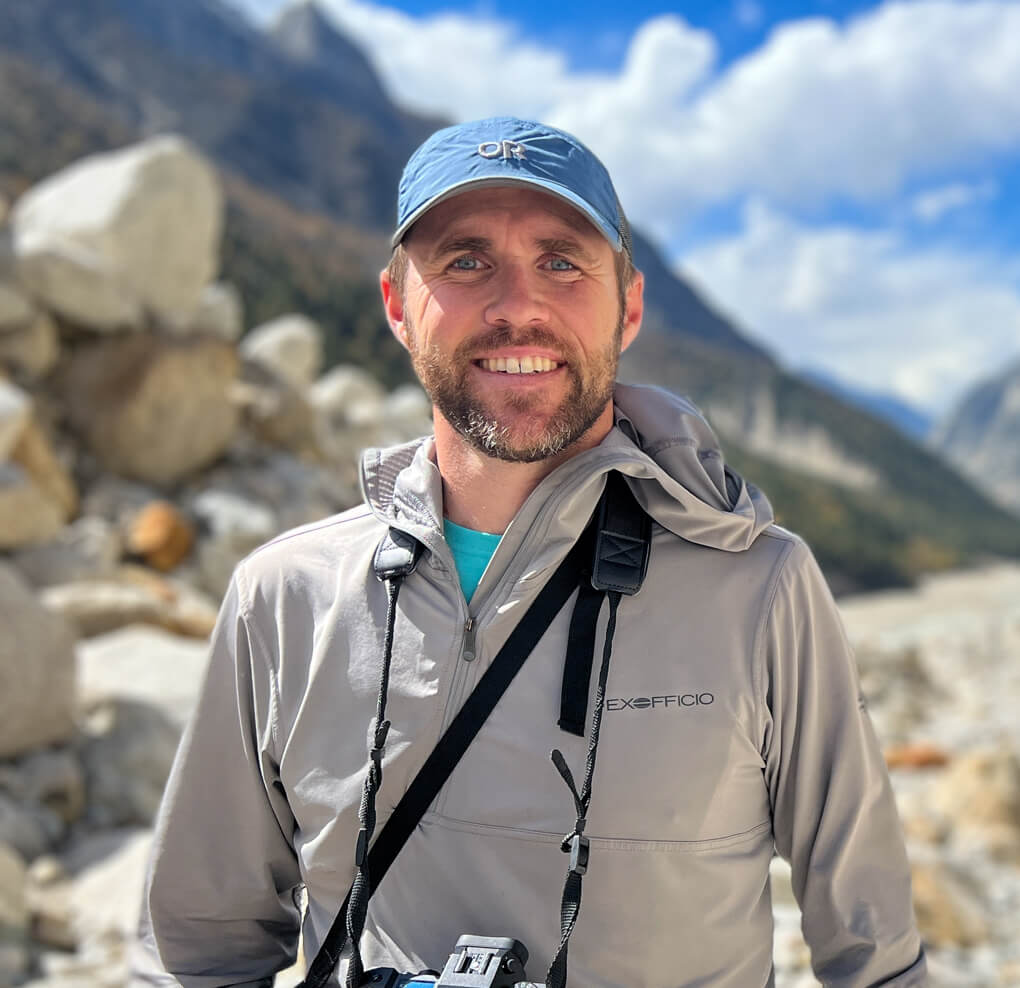
Ransom has been a student of the Himalayan Tradition for nearly 20 years and has been teaching yoga since 2011. As a faculty member and Director of Himalayan Institute Excursions, Ransom is passionate about exploring sacred spaces and facilitating the opportunity for others to do the same. Whether in the classroom or on pilgrimage, Ransom strives to create a friendly and supportive environment for uplifting transformation to unfold. His classes include a variety of breath-connected techniques in movement and stillness that shift students from physical to energetic awareness, and helps them to direct that awareness inward.

Additionally, his wilderness first responder training certification supports the safety and well-being of our participants while his Leave No Trace Master Educator training promotes sustainable recreation in the natural places we visit.

Dates & Prices

Date Early Registration Regular Registration
October 3—17, 2026

Register Online

from $3,699 from $3,899
Accommodation Type Early Registration Regular Registration
Shared $3,699 $3,899
Single $4,599 $4,799

Call 1-800-822-4547 x5 or email [email protected] for more information.

Packing List

Frequently Asked Questions

Q) Who is this excursion intended for?
A) This excursion is ideal for spiritually inclined individuals seeking an adventure oriented experience.

Q) Does being adventurous mean I need to be in physically fit condition?
A) Not fit, but physically active. it means you have to enjoy moving from one place to another with a spirit of curiosity, a desire to explore, and have the ability to be on your feet for a few hours at a time.

Q) How much hiking will there be?
A) There will be a fair amount of walking in general, but only a few extended hikes offered, which are optional.

Q) How difficult will the hikes and walks be?
A) The walking in general will be easy to moderate. That said, we’re in the mountains, so don’t expect lots of flat walking. Most of our walks will have undulations, while our hikes will have more incline. The biggest challenge with movement on this excursion will be the altitude, which will reach 15,000 feet by car.

Q) How much driving will there be?
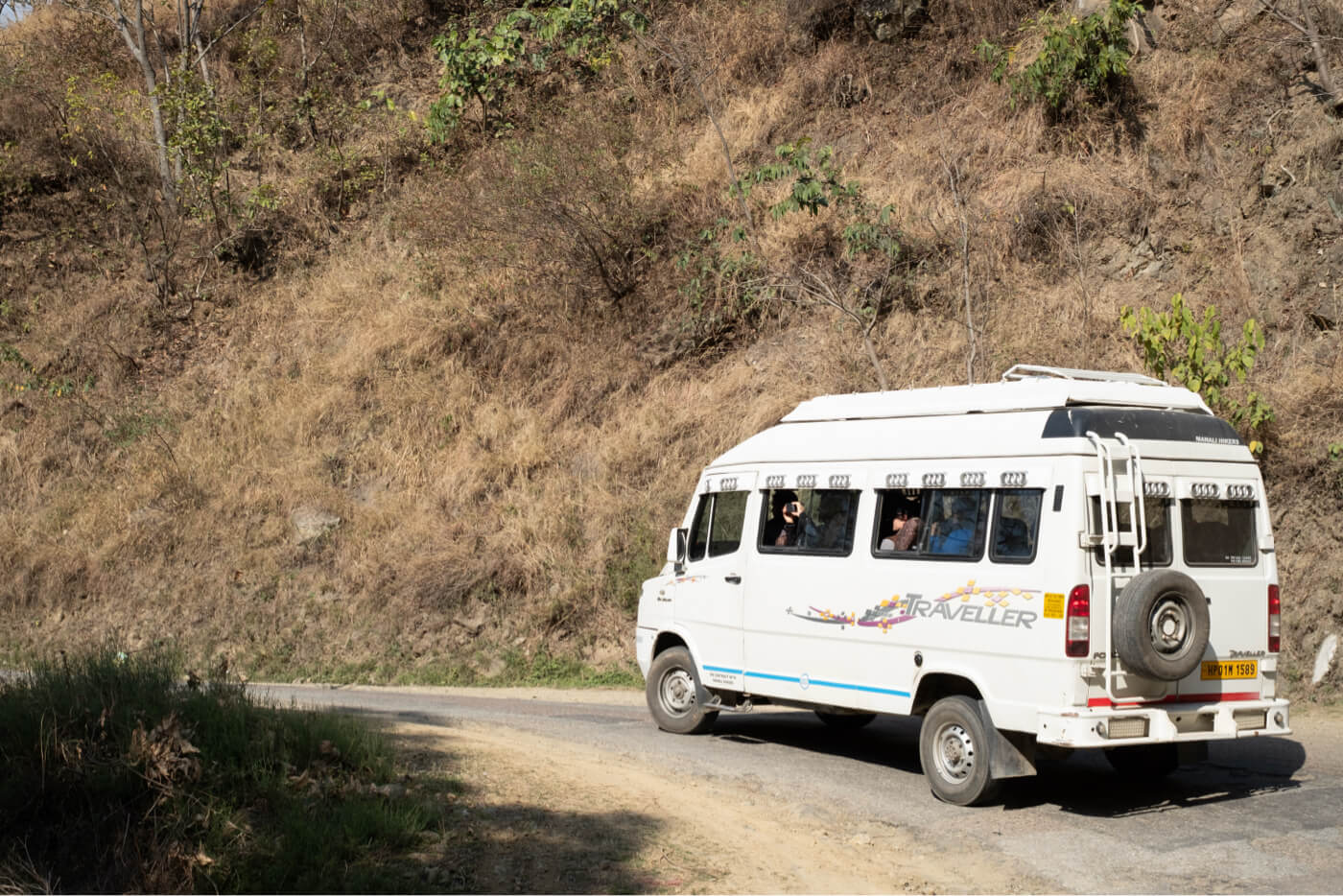
A) We will be spending lots of time on the road—averaging approximately 2-3 hours per day. Some of the most scenic highlights will come from winding through the mountains!

Q) What are the road conditions like?
A) We’re in the tallest mountain range in the world, so expect the roads to be windy. As we move into higher altitudes, the roads will also become less smooth, as they are more difficult to maintain. That said, getting to some of the most remote places in the world isn’t meant to be easy!

Q) How many sacred sites will we visit on this excursion?
A) While we will visit over 20 significant sacred shrines, temples, and monasteries on this excursion, the entire experience will be underpinned by the sacred landscape that we’ll be immersed in throughout our journey.

Q) What’s the highest altitude that we visit on this excursion?
A) Twice, we will experience a mountain pass of 15,000 feet by car.

Q) What’s the highest altitude that we’ll sleep at?
A) Kaza is the highest elevation that we’ll sleep at, at 12,500 feet.

Q) Should I be concerned about altitude sickness?
A) Altitude sickness is a legitimate concern. Our team has and will be taking measures to help guests acclimatize, and we also encourage consulting with your doctor about ways to help prevent/reduce altitude symptoms. Over the counter medications like Diamox can significantly help you adjust to higher elevations.

Q) How do you help guests acclimatize?
A) There are several ways this trip is designed to help guests acclimatize. First, we ascend gradually. Situated at approximately 7,000 feet, and surrounded by lush forests, Shimla is a perfect setting to acclimatize. The following two nights in Sangla, a less densely forested area of 8,900 feet, will further acclimate us to less oxygen. Second, our days will follow the classic guidelines of “Go high, rest low.” Meaning, each day will take us on adventures above the altitude at which we’ll rest. This will increase our capacity to adjust to these elevation changes. Additionally, we will walk at a slow pace, drink extra water, and take time to rest needed—All things that will maximize our opportunity to enjoy these high altitude experiences.

Q) Do you recommend guests bring oxygen canisters to help with altitude?
A) No. While oxygen canisters may temporarily help alleviate altitude symptoms, they are not a long-term solution for acclimatization and may even hinder the process. Our team will carry substantial oxygen canisters that can be deployed in the event of emergency.

Q) How can I prepare for this pilgrimage?
A) This is not a hiking intensive excursion, but will require “traveller stamina,” as we’re actively visiting many unique locations across two weeks. In May/June 2025 we will have our first Zoom preparation meeting for the excursion which will dive deeper into the trip overview for planning and preparation purposes. In August, we’ll have a pre-departure Zoom meeting that details practical logistics for travel preparation. We’ll also be supplying a travel packet with detailed planning information as well. Reviewing each of these touch points in detail will be the best way to ensure you are adequately prepared for the travel component. During the excursion, we will share breath connected techniques and lead guided Vishoka Meditations to refine the depth of our inner and outer connection during the trip. To learn more about Vishoka meditation, you can visit our online education platform, HI Online, or purchase the Vishoka Meditation book.

Q) How do I get to India?
A) From the United States: Many U.S. and international airlines offer flights to New Delhi, India. On the East Coast, a good number of flights depart from or connect at New York (JFK or EWR in Newark, NJ). Other major airports throughout the U.S. also offer flights to India. A number of flights stop in Europe where passengers change planes to a new flight number. From other countries: Numerous flight options to/from Delhi from other countries around the globe are available. Depending on the departure city, many flights from Europe are non-stop to Delhi.

Q) Where can I stay for my overnight in Delhi?
A) There are a range of accommodations available in Delhi including airport lounges, airport hotels, and hotels in the city. For quick access to and from the airport, we recommend booking a hotel in Aerocity, approximately 10 minutes for the airport.

Q) How do I reach my hotel from the airport?
A) You can arrange pick-up and drop-off through most of the hotels near the airport. Otherwise, when you exit the airport terminal, look for a pre-paid taxi stand, such as MeruTaxi, provide your destination address, and pre-pay for a hassle-free taxi experience. Do NOT follow anyone offering taxi services outside of the pre-paid taxi stands. Uber is another commonly used option in India.

Q) How do I get from New Delhi to Chandigarh?
A) Non-stop flights between Delhi and Chandigarh are offered daily and are approximately 1 hour long. The group pick-up on October 3, 2026 will be at Chandigarh airport based on early morning flight arrivals. Exact details will be provided in our travel packet upon registration. Note that transfers outside the main group pick-up from the Chandigarh Airport at the designated time on October 3, 2026 are not included in the cost of the trip.

Q) Do I need a passport or visa?
A) A Passport valid at least 6 months after your return date and India visa are required. It is recommended that there be at least 3 blank pages in the back of your passport. Each individual is responsible for obtaining their passport and visa. Those residing outside of the continental U.S., check with your local Indian consulate for visa requirements in your country of residence.

Q) Where do I apply for my visa?
A) US citizens can apply for an e-visa (recommended over paper visas) through the Government of India website – https://indianvisaonline.gov.in/evisa/tvoa.html. Indian e-visas can be obtained for a period of 30 days, 1 year, or 5 years. We strongly recommend reviewing the sample visa form before beginning your application – https://indianvisaonline.gov.in/evisa/images/SampleForm.pdf.

Q) What immunizations do I need?
A) No immunizations are required for the areas we’re traveling to in India. You may check the Center for Disease Control and the World Health Organization websites for their list of recommended vaccines. These vaccines are optional and the decision to get them is strictly a personal choice. We encourage you to discuss immunization with your doctor.

Q) Are there any natural ways to enhance my health before going to India?
A) Himalayan Institute’s Alchemy in Action products and Chyawanprash are highly recommended in preparation for your journey to India, and anytime.

Alchemy in Action: Experience the Synergy of Total Wellness: Spanda Gold, Clear Being, and Vibrancy Now come together to unlock your body’s true potential. Spanda Gold targets occasional inflammation from life’s normal stressors in healthy individuals at its core, restoring balance and promoting holistic wellness. Clear Being supports and enhances your body’s innate cleansing capacity, while nourishing you. And with Vibrancy Now, you can revitalize your body and mind, replenishing energy and clarity.*

Chyawanprash: Described in ancient Ayurvedic texts, Chyawanprash is a synergy of specifically selected herbs and fruits in a nutritive tonic. The principle herb Amla (Amalaki) is one of the world’s most concentrated naturally occurring sources of antioxidant Vitamin C. A spoonful a day of this 2,000 year old formula is a tasty way for people of all ages and constitutions to nourish mind and body, while supporting healthy immune function. Take it regularly for several months before your departure to strengthen and build your immune system.*

For more information or to order call 800-822-4547 (press 4) or visit the online shop at shop.himalayaninstitute.org. and build your immune system.

*These statements have not been evaluated by the Food and Drug Administration.
This product is not intended to diagnose, treat, cure, or prevent any disease.

Q) Is the water safe to drink?
A) Bottled (mineral) water is recommended when staying in hotels in India and it can be purchased directly from the hotel or other local sources. Bottled or boiled and filtered water will be provided throughout the duration of the trip.

Q) What medicines should I bring with me?
A) If you are taking prescription medication, bring an adequate amount with you. Although some medicines are available in India, their supply and quality are not reliable. Bring homeopathic or herbal remedies or your choice. Consult in advance with your health practitioner regarding other medications and recommendations for known allergies, possible altitude sickness, diarrhea, or general stomach upsets.

Q) What is the expected group size?
A) We expect a group of 20-25 participants.

Q) What do I need to bring?
A) For this high-altitude, active travel excursion, it is very important to be properly equipped with appropriate mountain gear. Please carefully follow the Packing List (save as PDF of Webpage).

Q) What is the culture like and how should I dress?
A) Due to cultural customs in India, the Tour Organizer asks participants to refrain from wearing shorts above knee length, tops with spaghetti straps, halter tops, tank tops, plunging necklines or backs; form-fitting clothing; and short skirts. When visiting temples, long pants are appropriate. Long loose skirts are an adaptive piece of western clothing, but leggings are recommended for underneath, particularly if temperatures are cooler.

Q) Where can I change money?
A) Change $100-200 USD equivalent into Indian rupees before exiting the Customs area at the Delhi airport. Traveler’s checks are no longer widely accepted, therefore, plan to bring cash for exchange. State Bank of India, near the baggage claim area (across from carousel 14) and before the Customs exit, is recommended for currency exchange. Count your rupees before leaving the window and be sure you are given an encashment certificate for your transaction. Retain this encashment certificate to use for exchanging any excess rupees at the end of your travel. There will be additional opportunities to withdraw money at ATM’s in towns like Shimla, Manali, and Dharamshala.

Q) Will we have access to a phone or internet?
A) We will have fairly reliable cellular network in Shimla, Manali, and Dharamshala. In between, expect unreliable to poor cellular service. Several local telephone carriers are located in the international arrivals area of Terminal 3 at Indira Gandhi International Airport. Inquire about options and cost at Airtel or JIO upon arrival in India. If you plan to use a local SIM card in your GSM mobile phone, have your local service provider unlock the phone before your departure for India. CDMA phones may require additional attention to avoid roaming charges with a local SIM card. Additionally, check with your home cellular provider regarding international plans they might offer, or consider downloading an E-sim app like AirAlo or Nomad.

Q) How do I register for this trip?
A) Register online or email [email protected] / call 1-800-822-4547 x5 to request a mail-in registration form

Q) What if I need to cancel?
A) Requests for cancellation must be made in writing (by email or mail) to the Tour Organizer. See the Tour Participant Agreement for complete terms and conditions and applicable cancellation charges. As a non-profit we are unable to offer expectations to our cancellation policy – we therefore require participants to purchase trip cancellation insurance in the event you need to cancel your reservation due to any reason.

Register Online